
Wood pallets are essential to global supply chains, often overlooked despite their critical role. A single standard 48×40-inch wooden pallet can support thousands of pounds, making it a powerful tool in logistics. This remarkable strength, however, is not a given; it depends entirely on the pallet’s specific design and its operational use.
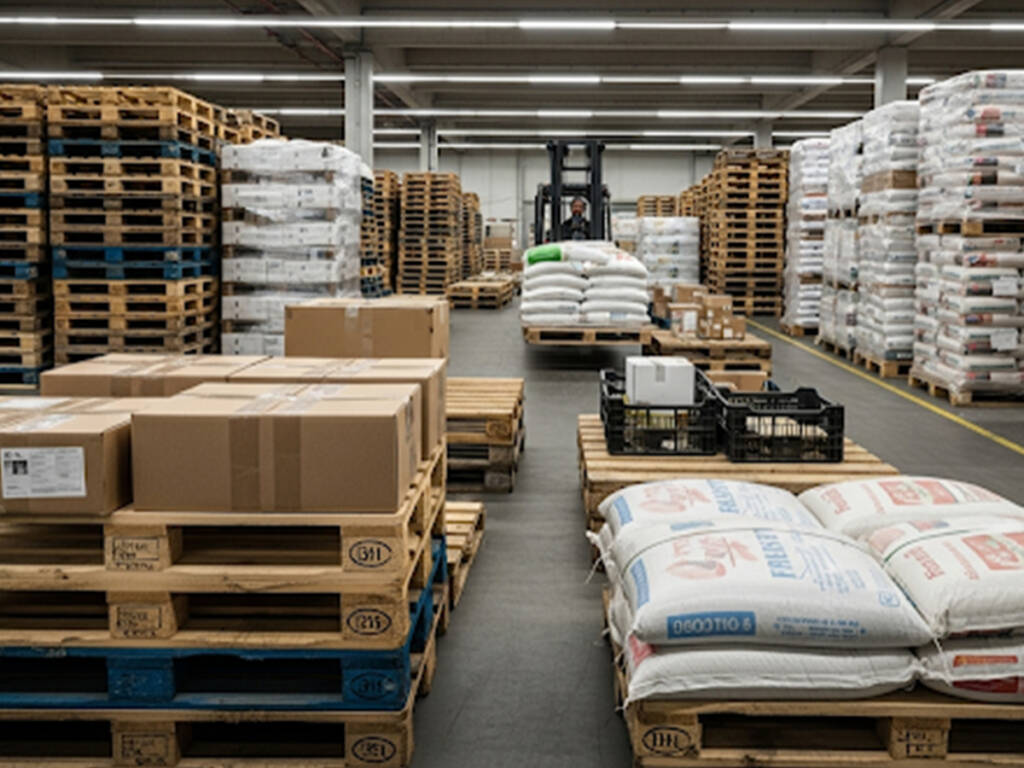
The proper use of pallets prevents potential hazards and improves operational flow. Incorrectly loaded pallets can lead to catastrophic failures, causing injuries, damaging products, and disrupting entire supply chains. By gaining a deeper understanding of how pallets function under various conditions, companies can optimize their storage and transportation processes. This knowledge empowers businesses to choose the right pallet for the job, ensuring their logistical operations are both safe and cost-effective.
What is Pallet Load-Bearing Capacity?
Pallet load-bearing capacity refers to the maximum amount of weight a pallet can safely handle under specific conditions. It is not a single, fixed number but rather a set of different ratings based on how the pallet is being used. This capacity is a direct measure of the pallet’s structural integrity, indicating its ability to withstand pressure without failing.
For example, a pallet’s capacity when it is sitting still is much greater than its capacity when it is being moved by a forklift or resting on a rack. These different ratings exist because the forces and stresses on the pallet change depending on the operational environment. Recognizing these distinctions is essential for anyone responsible for material handling and storage.
Factors Influencing Pallet Load Capacity
- Pallet Design and Construction
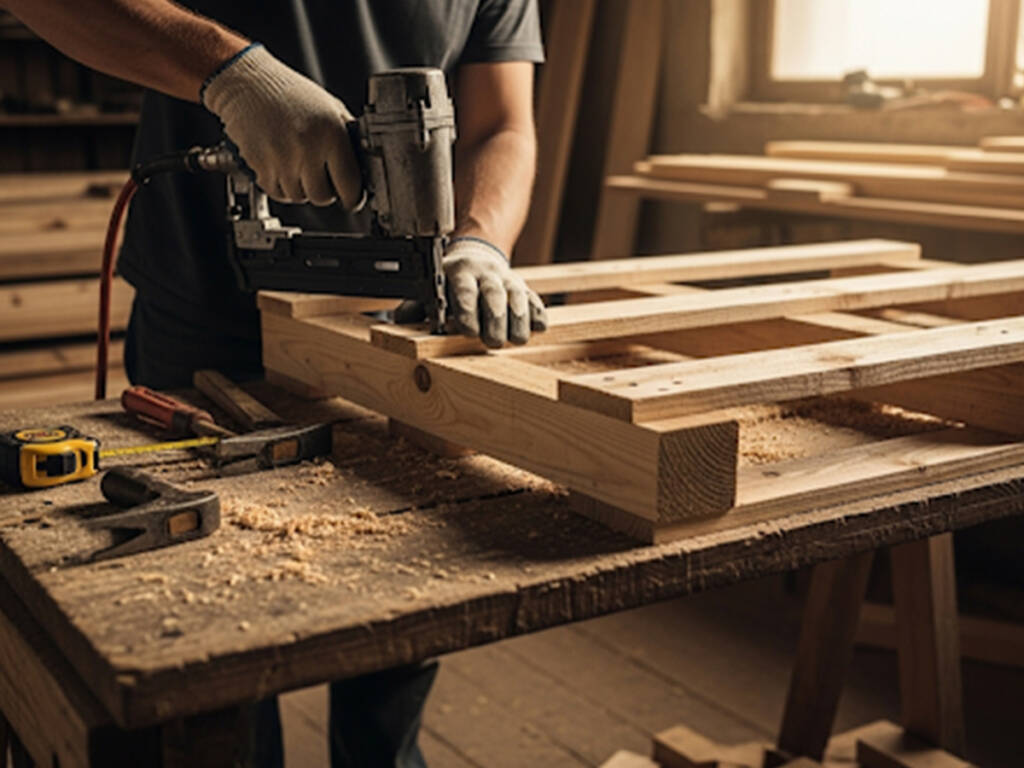
The way a pallet is built directly affects its strength. A block pallet, with its four-way entry design, is generally more robust than a stringer pallet, which is typically a two-way or partially four-way entry design. The number of blocks or stringers, the thickness of the deck boards, and the type and number of fasteners used all play a significant role in determining how much weight the pallet can handle. - Type of Wood Used
The species of wood a pallet is made from influences its strength and lifespan. Hardwoods like oak, maple, and birch are denser and more durable than softwoods such as pine or fir. The denser the wood, the better it can withstand pressure and resist damage from impacts. Pallets made from a mix of wood types may have varying strength profiles. The quality of the timber, including the presence of knots or defects, also impacts the pallet’s integrity. - Condition of the Pallet
Even the strongest pallet will weaken over time. A used pallet that has been damaged, cracked, or exposed to moisture is not as reliable as a new one. Pallets with loose boards or protruding nails pose safety risks and have a reduced load capacity. Regular inspections are critical to ensure that pallets are still safe for use. Damaged pallets must be removed from service to prevent accidents. - Fastener Quality and Placement
The nails, screws, or staples used to construct a pallet are a crucial part of its structural integrity. The type of fastener, its length, and how it is driven into the wood all affect the pallet’s ability to resist separation. Using the right kind of fasteners and placing them strategically can significantly increase a pallet’s strength and resilience, preventing boards from detaching under pressure. - How the Load is Distributed
The way a load is placed on a pallet impacts its capacity. An evenly distributed load is safer and puts less stress on the pallet than a concentrated or unbalanced load. For instance, a single heavy object placed in the centre of a pallet creates a high-stress point, increasing the risk of failure. Stacking smaller, lighter boxes in a stable configuration distributes the weight more effectively across the surface.
How to Determine and Verify Pallet Capacity
- Consult the Pallet Manufacturer
The most reliable way to find out a pallet’s capacity is to check with the manufacturer. Reputable companies provide detailed specifications and ratings for their products, including static, dynamic, and racking loads. The manufacturer’s data is based on engineering principles and testing, making it the definitive source of information. - Perform a Visual Inspection
Before using any pallet, it is essential to perform a visual inspection for signs of damage. Check for cracked or broken boards, loose nails, and signs of rot or moisture. A pallet in poor condition, no matter its original capacity rating, should be immediately set aside for repair or disposal. A damaged pallet is a safety risk and a liability. - Understand Weight and Load Distribution
Calculating the total weight of the goods to be placed on a pallet is a fundamental step. The weight must not exceed the pallet’s dynamic load capacity, especially when the pallet will be moved. Furthermore, the load should be distributed as evenly as possible across the entire surface to avoid stress on specific points and ensure stability during transport. - Consider Pallet Pooling Programs
Using a standardized pallet from a reputable pooling program, like those offered by CHEP or PECO, provides an additional layer of assurance. These pallets are designed to meet strict quality and strength standards. They are regularly inspected, repaired, and replaced, ensuring that they consistently meet their published load capacity ratings. - Refer to Canadian Industry Standards
The Canadian Wood Pallet & Container Association (CWPCA) provides information on best practices and standards for pallet use. Consulting these resources offers guidance on safety and compliance. Furthermore, the National Institute of Standards and Technology (NIST) has developed models to test and predict a pallet’s performance, providing a scientific basis for assessing capacity. These standards help companies ensure they are following accepted safety protocols.
Consequences of Ignoring Load Capacity
- Risk of Worker Injury
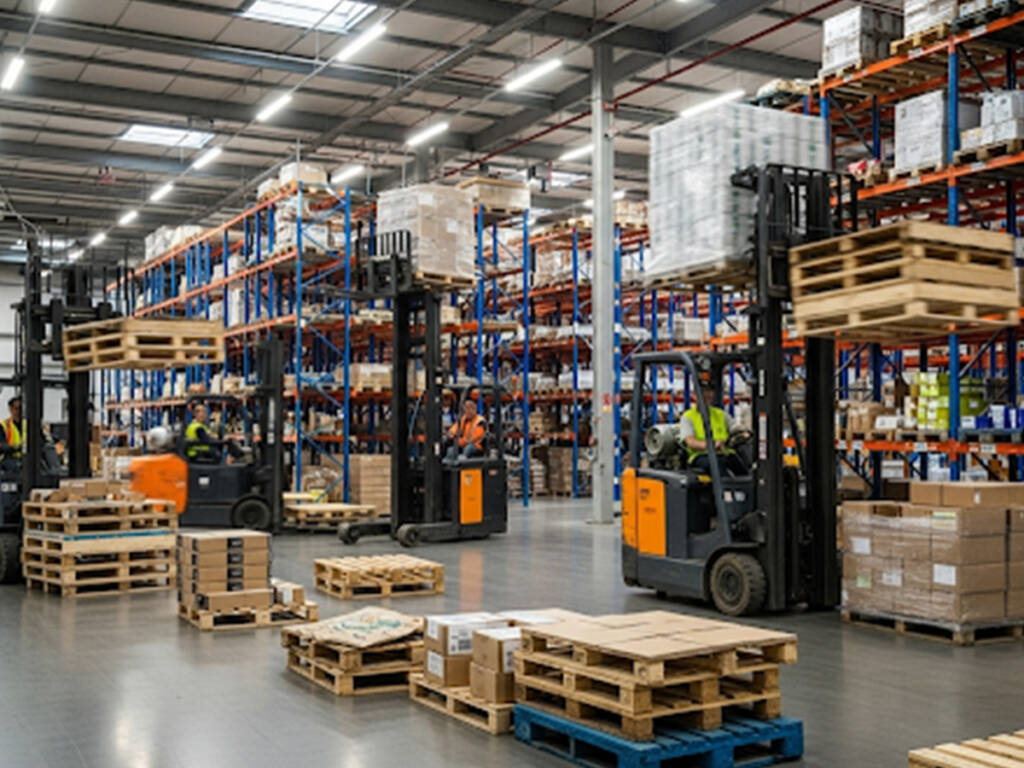
Overloading a pallet can lead to sudden collapse or structural failure, resulting in serious injuries to workers. A pallet that breaks while being moved by a forklift can cause a cascade of falling products, crushing workers or causing them to be struck by heavy objects. The safety of employees is a paramount concern, and proper pallet use is a key part of maintaining a secure work environment. - Product and Equipment Damage
When a pallet fails, the products on it can be damaged or destroyed. This leads to costly product loss and requires additional time and resources to clean up. Furthermore, a collapsing pallet can damage expensive material handling equipment, such as forklifts or conveyor belts, leading to expensive repairs and operational downtime. - Supply Chain Disruptions
A pallet failure can halt an entire supply chain. If a pallet breaks in a warehouse, it can block aisles, preventing other forklifts and workers from performing their jobs. This disruption can cause shipping delays, missed deadlines, and a domino effect of issues that can damage a company’s reputation and its relationships with customers and partners. - Financial and Legal Liability
Companies that fail to follow safety protocols regarding pallet use can face significant financial and legal consequences. This includes fines from regulatory bodies, lawsuits from injured employees, and increased insurance premiums. The costs associated with a single major incident can far outweigh the minor savings from using an inappropriate pallet. - Inefficient Operations
Overloading pallets and using them incorrectly often leads to more frequent pallet damage and a shorter lifespan. This results in the need to constantly replace pallets, which increases a company’s operating costs. A consistent approach to using pallets within their specified limits ensures a more efficient and cost-effective operation.
By recognizing the distinctions between static, dynamic, and racking loads and considering the factors that influence a pallet’s strength, businesses can prevent accidents, protect their products, and streamline their operations. To learn more about selecting the right pallet for your specific needs and to ensure your operations are built on a foundation of reliability, contact the experts at Woodbridge Pallet at (905) 856-3332.