Cold storage facilities represent a demanding segment of the modern supply chain. These environments frequently maintain temperatures at -20°C or lower to preserve the safety of food and pharmaceutical products. Within these frozen vaults, every piece of equipment must function without flaw. The humble pallet serves as the foundation for this entire system, moving billions of dollars in goods through frozen logistics networks. Choosing the correct platform is a matter of operational necessity rather than a simple purchasing decision.
The choice of pallet directly influences workplace safety, structural reliability, and long-term profitability. While many assume synthetic materials are the only option for extreme cold, wood remains a dominant force in the industry. Selecting a high-quality wooden base ensures that the sub-zero load carrier can withstand the physical stress of automated retrieval systems. The central question remains: can an organic material like wood truly meet the inorganic, harsh demands of a flash freezer? Industry data suggests it can, provided the science behind the material is understood.
How Wood Reacts to Sub-Zero Temps
Wood is a biological material that changes based on its surroundings. In a deep-freeze environment, the moisture content within the cellular walls becomes the most important factor for performance. As temperatures plummet, the physical properties of the timber shift, affecting how it carries heavy loads and responds to forklift impacts.
- Cellular Moisture Expansion
When internal water freezes, it expands. If a pallet has high moisture levels, this expansion can cause small cracks in the grain. Keeping wood at a low moisture-controlled wood state before it enters the freezer prevents the internal pressure from compromising the strength of the individual deck boards.
- Increased Material Rigidity
Cold temperatures naturally make wood fibres more rigid. While this sounds helpful for weight bearing, it actually makes the wood less flexible. A brittle wood response means the pallet is less likely to bend under a heavy load and more likely to snap if hit suddenly.
- Low Temperature Desiccation
Freezers act as massive dehumidifiers. Over time, the air pulls moisture out of the wood, making it extremely dry. This timber dehydration process can lead to shrinking, which might loosen the nails or fasteners that hold the entire structure together during long-term storage cycles.
- Friction Coefficient Alterations
Ice crystals often form on the surface of wood in humid loading docks. When the pallet moves into the freezer, this frost changes the grip between the wood and the forklift tines. Managing pallet surface friction is vital to ensure that stacks do not slide during high-speed movement.
- Impact Resistance Shifts
The ability of wood to absorb a blow decreases as it gets colder. In a room set to -25°C, a standard forklift strike that would normally cause a small dent might instead shatter a lead board. This change in impact durability requires operators to use more precision.
- Thermal Contraction Rates
Like most solids, wood shrinks slightly when chilled. While the change is small, it can affect the tension of plastic wrap used to secure the goods. Understanding thermal wood contraction helps warehouse managers ensure that the stability of the entire palletized unit remains intact.
The Risks of Pallet Failure in Cold Storage
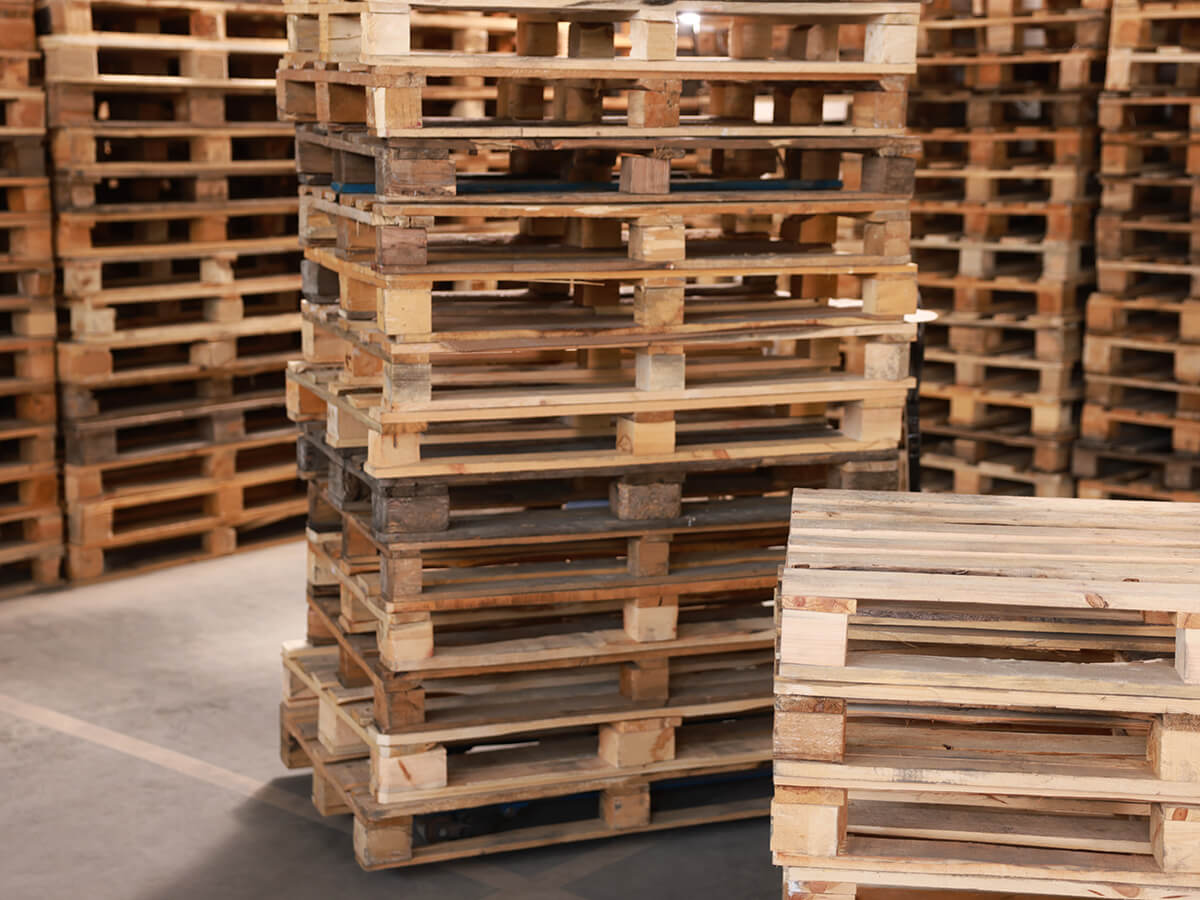
A failure in the cold chain is more than just a broken board; it is a threat to the entire inventory. When a pallet fails inside a racking system, the cost of recovery is much higher than in a dry warehouse. Specialized equipment and labour are needed to clean up spills in sub-zero zones.
- Racking Collapse Hazards
If a stringer snaps while sitting on a high-gravity rack, the entire load can tilt. This creates a structural pallet collapse risk that endangers workers walking below. Statistics from Canadian occupational health bodies highlight that falling objects remain a top cause of serious warehouse injuries.
- Automated System Jams
Many cold stores use automated storage and retrieval systems (ASRS). A splintered board or a loose nail can trigger a sensor and shut down the entire line. Avoiding automated logistics downtime requires using pallets that are free from defects and meet strict dimensional tolerances.
- Product Contamination Concerns
When wood shatters due to the cold, small shards can puncture plastic packaging. In food or medical sectors, this leads to immediate product loss. Maintaining pallet hygienic integrity ensures that no foreign objects enter the sensitive goods stored on top of the wooden platform.
- Fastener Back-Out Issues
The cycle of freezing and thawing causes nails to “creep” or back out of the wood. A protruding nail can tear bags or damage the wheels of pallet jacks. Regularly checking for fastener security is a primary safety task for any manager in the cold chain.
- Inaccurate Weight Distribution
A pallet weakened by the cold may not distribute weight evenly across the rack beams. This uneven load stress puts too much pressure on specific points of the warehouse racking. Over time, this can cause the metal racks themselves to warp or fail prematurely.
- Condensation and Mould Growth
Moving pallets from a cold freezer to a warm loading dock creates “sweat.” If the wood stays damp, mould can grow quickly once it leaves the frozen zone. Following ISPM-15 wood standards and using kiln-dried lumber helps mitigate these biological risks during temperature transitions.
Strategic Selection: Which Wood Species Handle the Cold Best?
Not all trees produce the same quality of lumber for industrial use. In Canada, the selection often comes down to the balance between cost, weight, and the ability to survive the freeze-thaw cycle. Choosing the right species is the first step in building a resilient cold-chain pallet.
- Canadian Softwood Mixtures
Spruce, Pine, and Fir (SPF) are the standard for most Canadian pallets. These woods are lightweight and have a consistent cell structure. They provide a reliable frozen-rated softwood option that is easy to handle and cost-effective for high-volume shipping and one-way transport.
- Dense Northern Hardwoods
Hardwoods like Maple or Birch are much heavier but offer superior strength. These species have a higher timber density rating, making them perfect for “captive” pallets that never leave the freezer. They resist the wear and tear of heavy forklift use much better than softwoods.
- Kiln-Dried Heat-Treated Lumber
The process of kiln-drying removes the excess water that causes ice expansion. Using kiln-dried pallet stock is essential for cold storage because it stabilizes the wood. This prevents the warping and twisting that often happens when “green” or wet lumber is frozen.
- Southern Yellow Pine
Though less common in the far north, this wood is known for its incredible nail-holding power. The resin in the wood helps it stay together under pressure. It serves as a durable freezer pallet material that can handle the vibration of long-distance truck transport after storage.
- Poplar and Aspen Varieties
These woods are soft and do not splinter as easily as others. Their low-splinter wood profile makes them a safer choice for pharmaceutical cold chains where packaging protection is the top priority. They are also very light, reducing the overall weight of the shipment.
- Hybrid Material Pallets
Some companies use a mix of hardwood stringers and softwood deck boards. This composite wood design puts the strongest material where the stress is highest. It allows for a pallet that is strong enough for the freezer but still light enough for easy manual handling.
- Engineered Wood Components
Block pallets often use compressed wood chips for the corner supports. These engineered timber blocks are very stable and do not expand or contract as much as solid wood. They provide excellent dimensional stability in environments where temperatures fluctuate between different zones.
Maintenance & Best Practices for Deep-Freeze Logistics
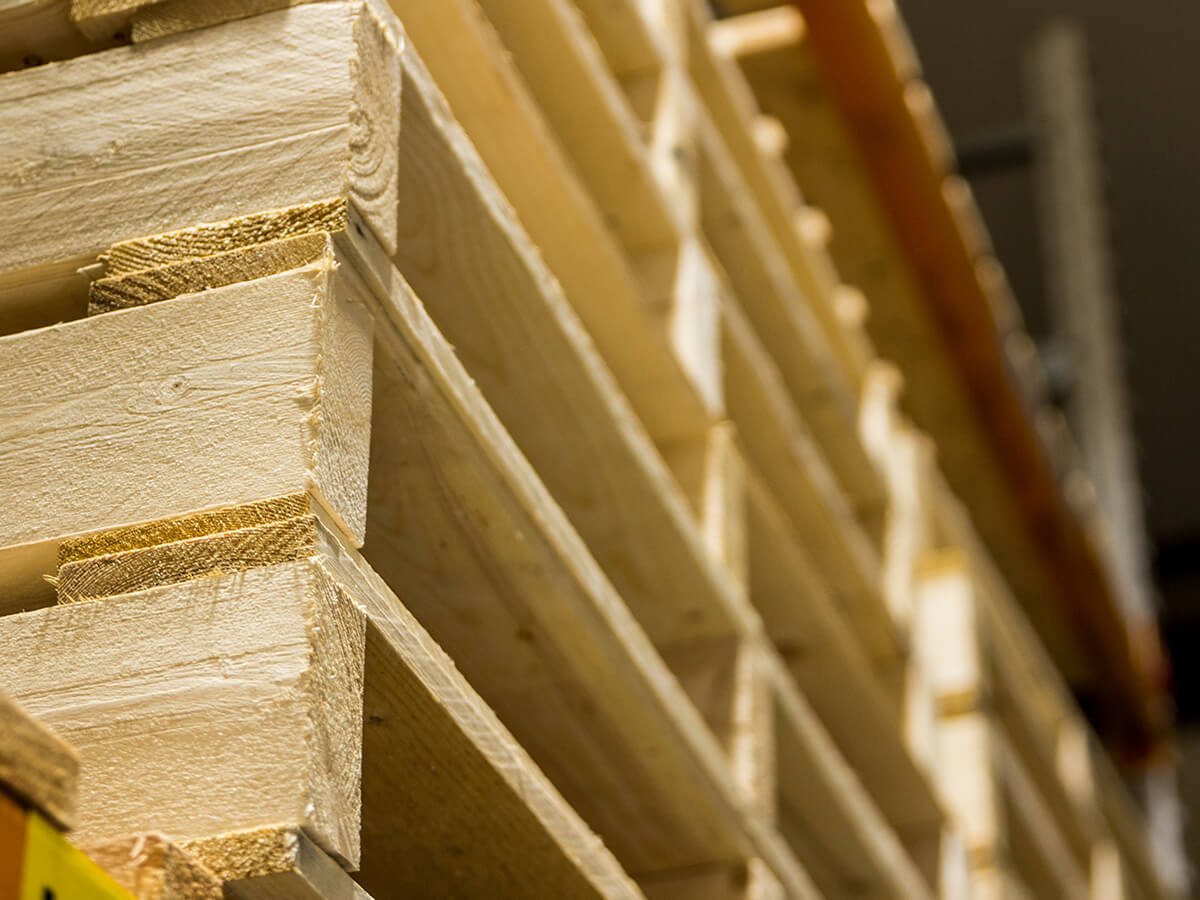
To get the most out of a wooden pallet, a facility must follow specific handling protocols. Wood can last for years in a freezer if it is treated with care and inspected regularly. Proper management reduces the need for constant replacement and keeps the logistics flow moving.
- Pre-Entry Acclimatization
Never move a soaking wet pallet directly into a freezer. Allowing the wood to dry in a controlled area prevents ice from forming inside the grain. This pallet moisture stabilization step is the easiest way to prevent the wood from cracking or losing its structural strength.
- Visual Inspection Routines
Workers should check for loose nails and cracked lead boards every time a pallet is picked up. Small repairs are cheap, but a total failure is expensive. A daily pallet safety check ensures that damaged units are pulled from circulation before they enter a high-rack system.
- Standardized Forklift Training
In cold rooms, visibility can be low due to fog or frost. Drivers need to be trained to enter the pallet pockets squarely. Reducing forklift impact damage is vital because cold wood cannot absorb side-swipes as well as wood kept at room temperature.
- Weight Capacity De-Rating
It is wise to assume a pallet can carry slightly less weight in a freezer than it can in a dry warehouse. Applying a cold-room weight safety factor accounts for the increased brittleness of the wood. This protects the racks and the employees from unexpected material failure.
- Strict Rotation Schedules
Do not leave the same pallets in the deepest part of the freezer for years. Rotating the stock ensures that no single wooden storage platform becomes too dehydrated or brittle. A “First-In, First-Out” (FIFO) system applies to the pallets just as much as the food.
- Fastener Upgrades
Using screw-nails or galvanized fasteners helps the wood stay together. These high-grip pallet nails resist the “popping” effect caused by thermal expansion. This keeps the deck boards tight and prevents the pallet from becoming “wobbly” over time.
- Surface Ice Removal
If a pallet develops a layer of ice, it should be cleaned before it is placed on a smooth rack beam. Improving pallet-to-rack grip prevents loads from shifting. Simple tools can be used to clear frost without damaging the surface of the timber.
- Environmental Monitoring
Keep an eye on the humidity levels in the loading docks. High humidity followed by sub-zero storage is the main cause of pallet damage. Managing the warehouse ambient environment helps the wood stay in a “neutral” state, extending its usable life by several months.
The cold chain relies on the stability of its smallest components. While the technology inside a freezer warehouse is often cutting-edge, the wooden pallet remains an indispensable tool. Its ability to support massive weights in temperatures that would fail many other materials is a significant advantage for Canadian businesses. By selecting the right species, ensuring low moisture content, and maintaining a strict inspection schedule, companies can avoid the high costs of equipment failure. Wood is not just a relic of the past; it is a proven, renewable solution for the most demanding frozen storage challenges.
Efficiency in the cold chain begins with the quality of your base. Ensuring your fleet of pallets is up to the task of sub-zero storage will protect your staff, your product, and your reputation. For high-quality solutions and expert advice on your specific needs, Woodbridge Pallet, contact at (905) 856-3332.