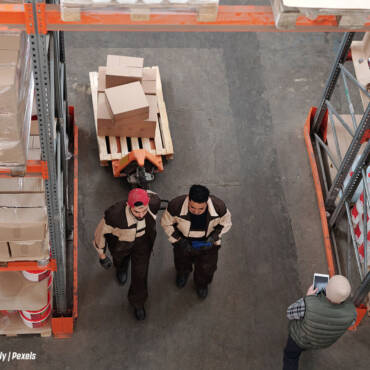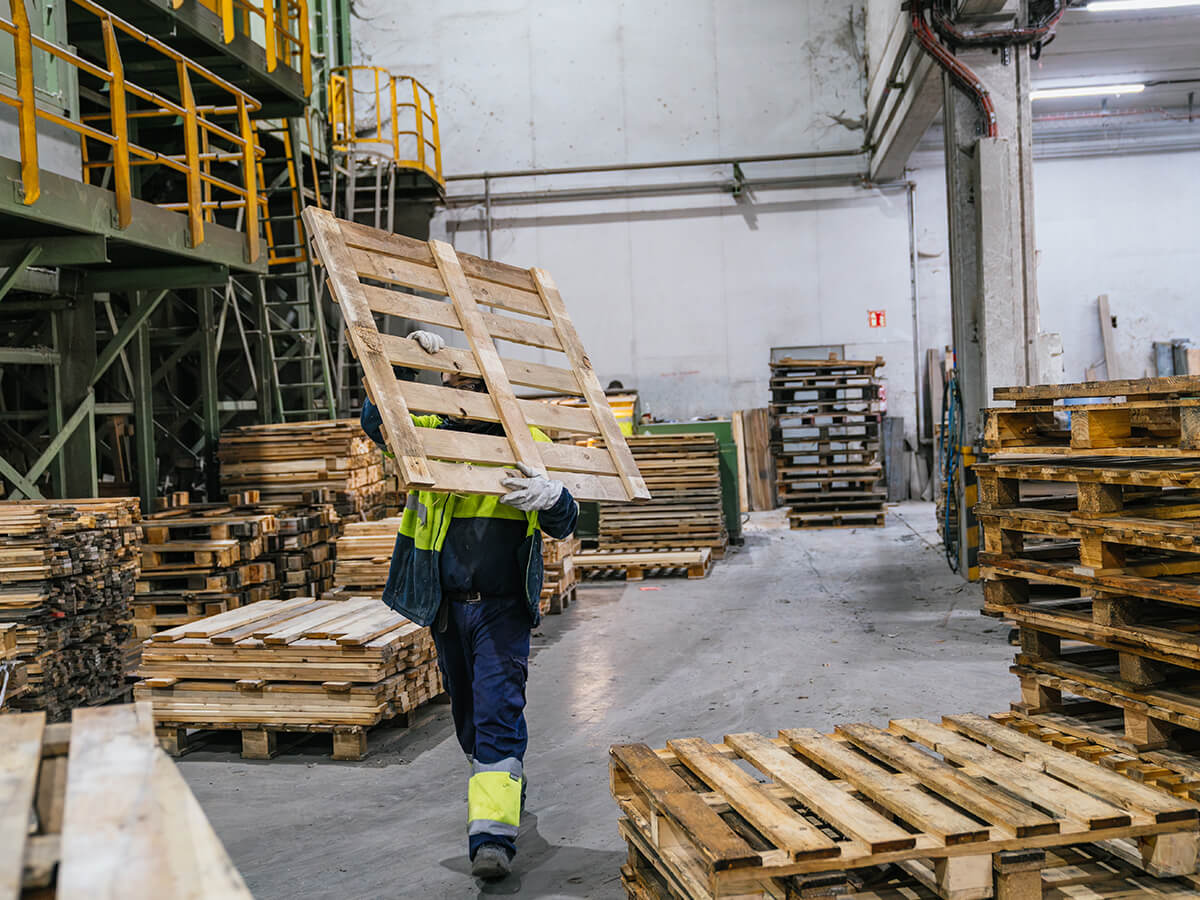
Wooden pallets are the main tools that keep supply chains moving across busy Ontario shipping hubs. Forklift operators can face serious workplace dangers if they do not check these platforms before lifting them. Moving heavy goods in busy loading docks requires a strong commitment to daily safety checks. Sourcing high-quality wooden pallets in Mississauga is a great first step, but safe handling is what prevents accidents on the warehouse floor. Missing a single cracked board or using a bad angle can lead to dropped loads and broken items. Forklift drivers can protect their team members and keep goods moving smoothly by following a strict inspection plan.
Daily material handling routines require an incredible amount of focus from everyone on the warehouse floor. Industrial facilities handle thousands of shipments every single week, which can lead to a rushed work environment where people take shortcuts. Skipping basic safety steps might save a few seconds in the short term, but it greatly increases the risk of a major workplace disaster. Every employee must understand that a heavy machine carrying a compromised platform is a serious safety hazard. Taking the time to learn and execute proper validation steps keeps personnel safe and keeps business operations profitable.
Industrial spaces must make safety a permanent part of their daily culture rather than a temporary goal. When team leaders emphasize proper handling, workers take ownership of their machinery and their workspace. This protective mindset stops predictable equipment wear from turning into an active emergency during a busy shift. Keeping a spotless, organized warehouse floor makes it much easier for operators to spot hidden issues before they cause trouble. Investing time into structured training programs ensures every single worker knows exactly how to handle unexpected load shifts safely.
What Should Operators Check Before Handling a Wood Pallet?
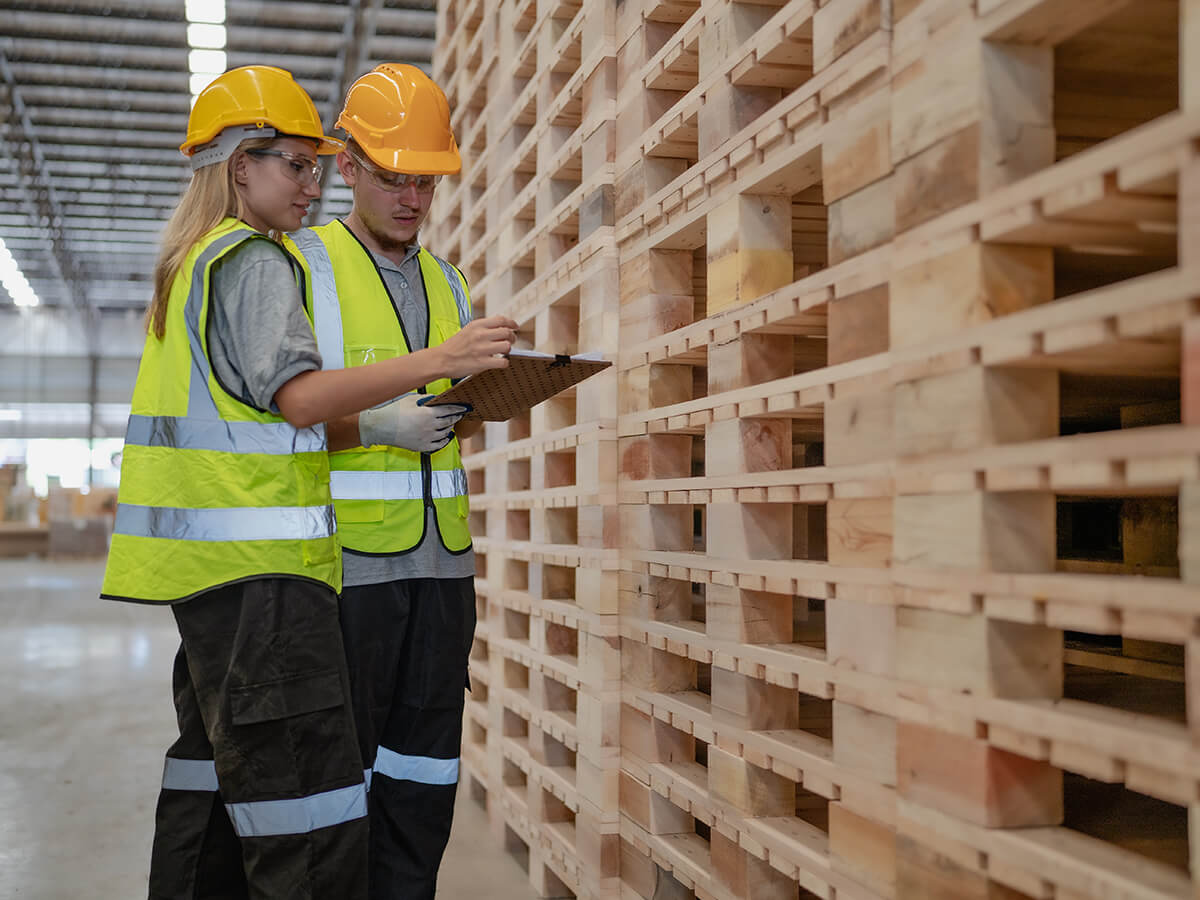
Every material handling task must start with a close visual review of the wooden platform. Taking a few seconds to spot structural damage prevents the wood from collapsing under heavy loads.
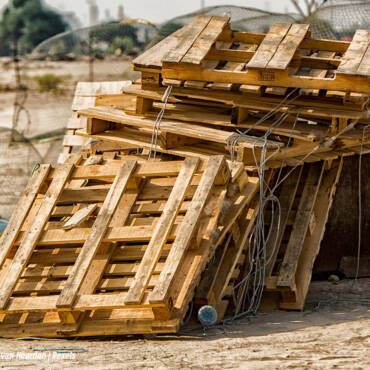
- Missing, Broken, or Split Boards: Damaged or split deck boards cannot support heavy materials evenly. Operators must look for deep cracks along the wood grain or completely snapped pieces. Using a platform with missing lumber will cause the cargo to shift unpredictably during transit. Forklift drivers should never assume that a top deck board with a minor fracture can handle a fully loaded stack of heavy industrial goods.
- Cracked and Notched Stringers: Stringers act as the main support structure that carries the weight of the entire load. Drivers must check for long cracks or bad structural spots on these inner wood pieces. A cracked stringer can break completely when a heavy forklift lifts the unit. When the internal spine of a platform gives way, the entire load can tilt instantly and spill into the aisle.
- Protruding Fasteners (Nails, Staples, Screws): Loose or sticking nails can tear product packaging and cause deep cuts to warehouse staff. Workers must look for backed-out nails on the top surfaces and the side blocks. Loose metal fasteners can also scratch or catch on the warehouse storage racks. This simple issue can easily lead to a ruined shipment or an unexpected puncture wound for an employee.
- Severe Contamination, Rot, or Moisture: Wet or rotting wood loses its natural strength and can fail without warning. Operators should look for dark soft spots or damp patches on the lumber pieces. Greasy chemical stains also mean the pallet might be too weak to carry heavy goods. Soft, compromised wood fibres cannot grip internal assembly nails properly, which makes the whole structure unstable under pressure.
 How Do You Safely Align a Forklift with a Wood Pallet?
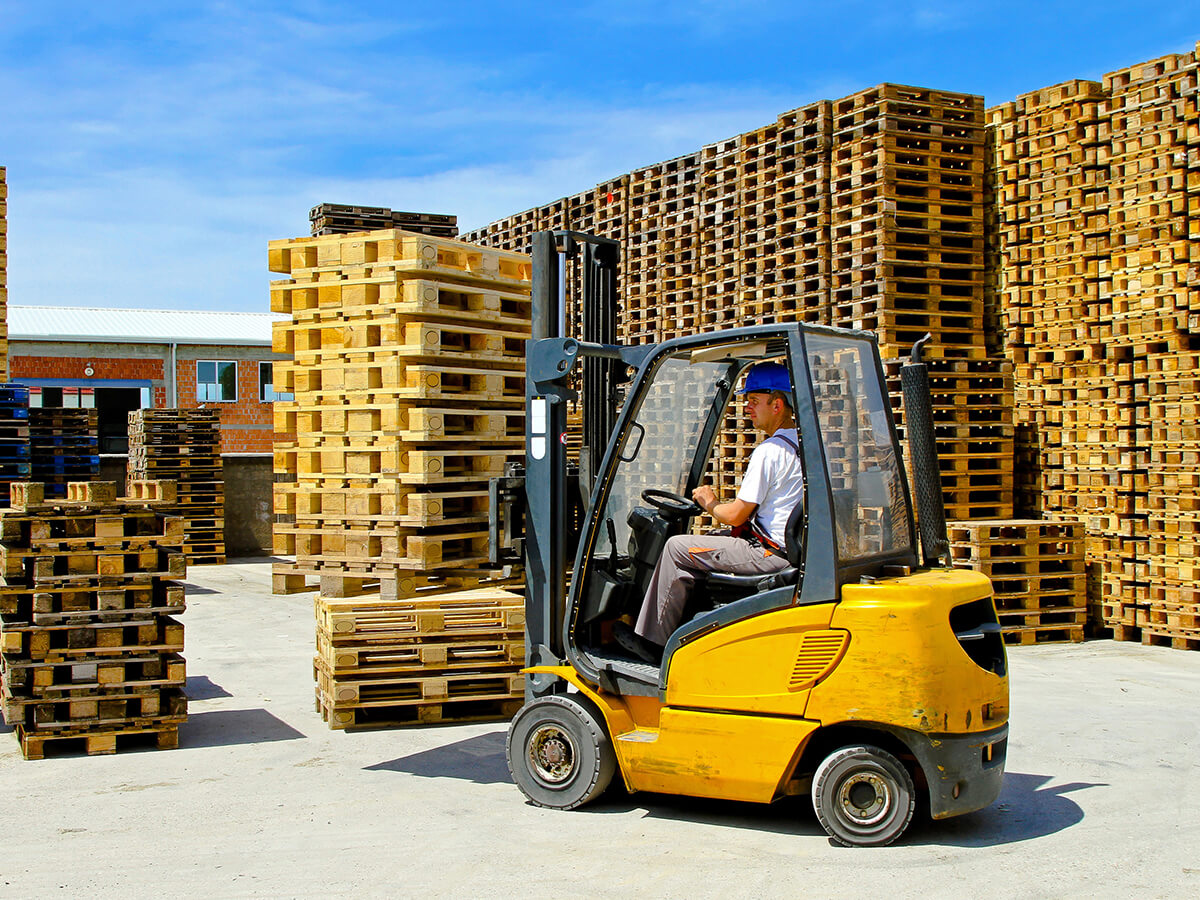
The way a machine enters a shipping platform changes how safely the load can move across the warehouse. Proper machine setup stops the sharp metal tines from crushing the wooden structure.
- Fork Spread and Width Adjustment: Setting the fork tines too close together makes the loaded platform tilt and wobble. Drivers must spread the tines out to the widest safe point for that specific unit size. This wide setting spreads out the total weight and keeps the cargo balanced. A narrow fork configuration concentrates all the pressure on the center boards, which often causes the platform to crack.
- Fork Tine Condition and Cleanliness: Dirty or bent metal tines will not slide into the openings smoothly. Drivers must check the metal forks for structural bends or small stress cracks. They also need to clear away old plastic wrap or strapping tape before starting work. Built-up debris on the forks increases friction, which can cause the machine to push the platform forward unexpectedly.
- Entry Angle and Alignment: Entering at an angle causes the sharp fork tips to smash directly into the wood stringers. Workers need to square up the machine completely with the entry holes before driving forward. The metal tines must stay completely level to avoid breaking the entry boards. Rough, angled entries are the single leading cause of structural impact damage in busy logistics facilities.
What Are the Main Risks When Stacking and Loading Pallets?
A stable load depends on how cargo sits on top of the wooden platform. Drivers must check the weight and look out for layout issues before lifting things high into the air.
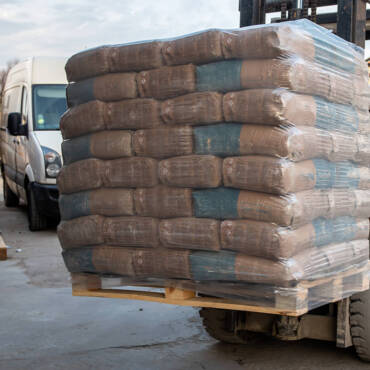
- Load Stability, Weight Distribution, and Height: Uneven cargo stacks can tip over easily when a machine takes a sharp turn. Operators must ensure items sit evenly across the surface with heavy objects on the bottom layer. Stacking materials too high makes the whole unit top-heavy and hard to control. Misaligned weight distribution puts uneven pressure on the underlying wood, causing premature structural failure.
- Overhang and Securement (Stretch Wrap/Strapping): Items that stick out past the edges of the wood can strike metal storage racks. Drivers need to verify that plastic stretch wrap or straps bind the goods tightly to the base. Good wrapping keeps the individual boxes from sliding around during quick machine stops. If items shift past the perimeter of the platform, the center of gravity changes completely.
- Clearance and Pathway Obstructions: Driving with a tall load limits what a worker can see on the floor ahead. Operators must look for hanging plastic debris, low pipes, and nearby walking staff before moving. Checking the path ahead helps avoid sudden stops that can drop a heavy load. Clear communication and situational awareness prevent devastating collisions in tight storage aisles.
- Pallet Rating Against Rack Constraints: Wooden platforms must match the design of the metal storage racks in the warehouse. Staff must double-check if the unit is a two-way or four-way style before placing it up high. The unit must sit safely across the rack steel beams so it does not slip through. Incorrectly matching a platform style to a specific rack layout invites catastrophic overhead structural failure.
Important Platform Specifications to Consider
Warehouse teams must match their material handling habits to the specific types of inventory platforms entering the facility. Different types of wood platforms require different levels of care during daily operations.
- Heat-Treated Pallets: International shipping rules require specialized lumber that undergoes high-heat processing to kill pests. Forklift drivers should look for the official stamp on the side stringer to confirm compliance before loading global goods. Preserving the visibility of this safety mark keeps international cargo moving without customs delays. Damaging these marked units during local handling can result in expensive cross-border shipping rejections.
- New Pallets: Brand new pallets offer the highest level of structural integrity and predictability for heavy lifting. Drivers can expect uniform dimensions and clean surfaces that slide easily onto metal warehouse racks. Even with pristine equipment, a quick visual walk-around ensures no transit damage occurred during delivery. Consistent quality across an inventory allows operators to work with absolute speed and safety.
- Used Pallets: Recycled pallets require a much closer visual inspection because they have already been through multiple supply chain cycles. Operators must check for previous repair work, such as companion stringers or extra missing fasteners, before lifting maximum weight. Identifying pre-existing wear prevents sudden wood failure during high-elevation warehouse stacking. Regular auditing of recycled inventory keeps old materials working safely without risking product loss.
- Custom Pallets: Oddly shaped goods often require custom wood pallets built to non-standard dimensions. Operators must adjust their forklift tines manually to safely fit the unique opening sizes of these specialized bases. Taking time to adapt the machine setup prevents the fork tips from puncturing the custom framework. Unique cargo footprints always require a slower, more methodical handling approach from the driver.
 Contact Woodbridge Pallet for Reliable Material Handling Solutions
Safe warehouse operations require a mix of smart driving habits and strong shipping platforms. At Woodbridge Pallet, we understand that supply chain safety starts with reliable equipment. We manufacture high-quality products that help your drivers move goods with complete confidence. Our team offers top-tier new and recycled options to keep your local logistics network moving without sudden delays. If you want to improve your warehouse safety standards, call us today at 1-800-361-7798 to learn more about our premium selection of wooden pallets in Mississauga.