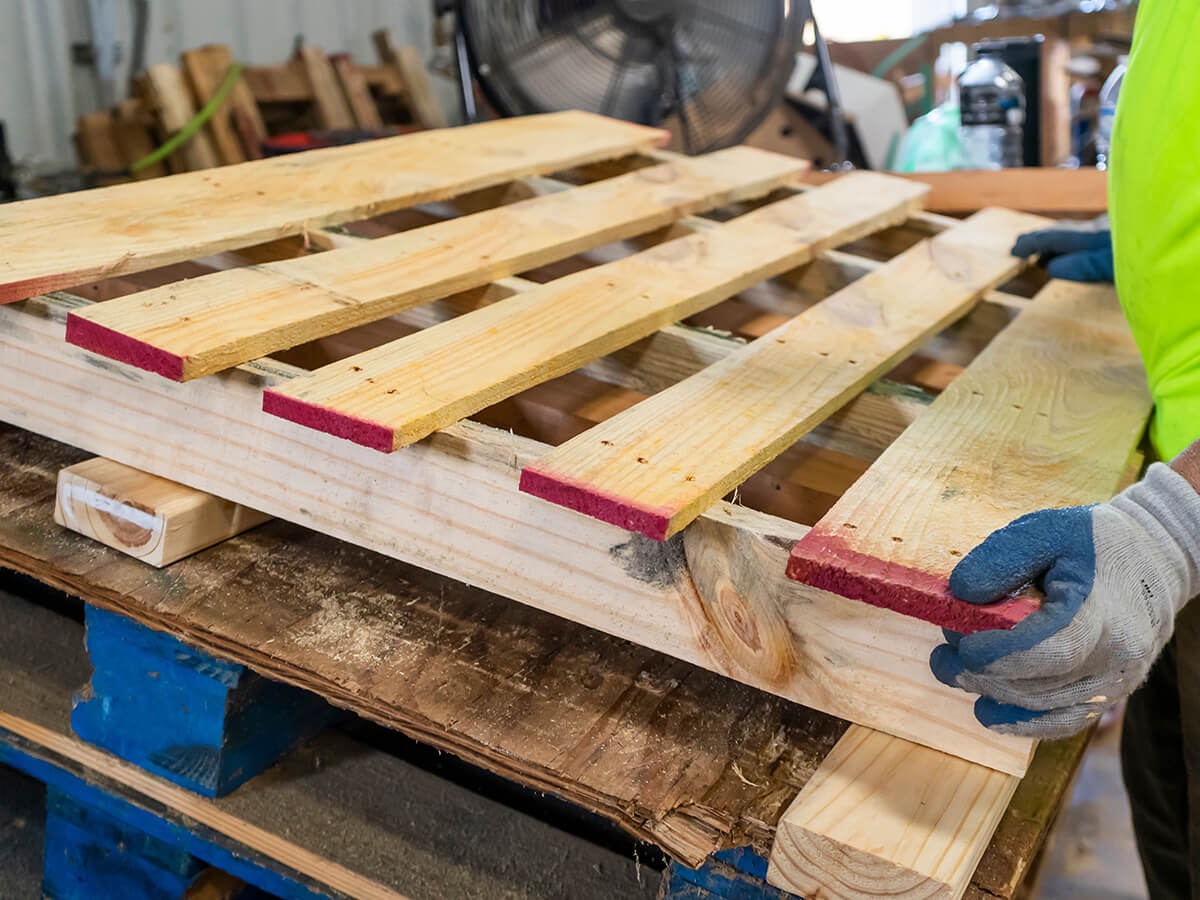
Many logistics teams try to save money by purchasing cheap, unvetted recycled platforms. Doing this often leads to major structural failures, unexpected operational delays, and massive downstream financial leaks across your entire transit network. If you are currently sourcing wooden pallets in Mississauga, it is vital to look past the upfront unit price and calculate the true long-term impact on your bottom line.
11 Ways Damaged Pallets Secretly Drain Your Budget
Using broken or structurally compromised material handling platforms impacts every corner of your shipping operation. Keeping degraded wood in active circulation triggers major financial losses that quickly add up over time.
1.Product Damage and Structural Sagging
- Property Sale Stage: Missing top boards or split stringers cause uneven weight distribution under heavy unit loads. Corrugated boxes sag into gaps and collapse during transit or high-stack storage. This structural failure leads to immediate inventory write-offs and expensive product damage claims.
- Structural Load Failure: The lack of support causes a dramatic drop in the platform’s rated weight capacity. Heavy cardboard cartons bend, warp, and eventually burst open when stacked inside a moving transport trailer. Shippers lose thousands of dollars in salable goods each week due to preventable crushing forces.
2. Automated System (ASRS) Jams and Faults
- Property Sale Stage: Modern automated warehouses rely on exact dimensional tolerances and highly sensitive optical laser sensors. A single warped deckboard or protruding splinter breaks the alignment path and triggers an automatic emergency shutdown. These unexpected errors cause severe facility downtime, slow down processing speeds, and ruin daily fulfillment quotas.
- Diagnostic Delays: Finding the exact physical location of a platform jam requires technicians to climb high tracking towers. Automated systems lock down entirely until an operator manually overrides the electronic safety system. This idle time stops the production flow for dozens of nearby workers.
3. Forklift and Equipment Wear and Tear
- Property Sale Stage: Splintered wood fragments and loose metal nails break off and litter active warehouse travel lanes. Heavy materials handling equipment runs over this sharp debris during routine daily loading patterns. The debris punctures expensive solid rubber tires and wraps around drive axles, which spikes machinery repair bills.
- Hydraulic System Stress: Operators must constantly adjust their forks to balance loads on uneven, broken deck surfaces. This continuous manual balancing places intense pressure on hydraulic cylinders and lifting chains. The lifting parts wear out much faster than normal and require premature replacement.
4. Workplace Safety Risks and Injuries
- Property Sale Stage: Compromised wood platforms are highly unstable and prone to snapping during high-rack storage moves. Unstable loads can drop freight onto busy walking zones or cause severe puncture wounds to workers. These safety hazards result in costly worker compensation claims and significantly lower overall facility morale.
- Soft Tissue Strains: Warehouse staff often struggle to manually push or slide heavy, broken wood across smooth concrete surfaces. Catching a hand on an exposed rusted metal staple causes deep cuts and severe infection risks. Workers lose valuable personal production days while recovering from preventable industrial injuries.
5. Contamination and Strict Regulatory Fines
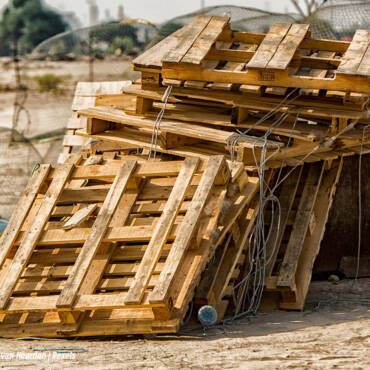
- Property Sale Stage: Deep structural cracks in damp wood trap standing moisture, harbor mold growth, and attract pests. Sharp wood shards and fine dust can drift down into open product rows sitting on lower warehouse shelves. This issue causes total batch rejections and hefty regulatory fines in food-grade or pharmaceutical settings.
- Pest Infestation Vulnerabilities: Wood-boring insects burrow deep inside soft, decaying timber platforms to build large nests. These hidden pests quickly migrate into clean product packaging during long-term warehouse storage. Businesses must pay for expensive commercial exterminators to clean the entire storage zone.
6. Inbound Freight Rejections at the Loading Dock
- Property Sale Stage: Major distribution centers and big-box retail hubs enforce strict inbound receiving rules. Inspectors will reject an entire trailer shipment immediately if they spot a single broken base board. This problem triggers emergency cross-dock fees, driver detention penalties, and forced return freight charges.
- Deadhead Freight Expenses: Trucking firms charge full shipping rates to haul a rejected load back to its original starting point. Paying for double transportation costs without securing a final sale devastates the profit margin on that order. These unnecessary transit loops create heavy financial drains for regional manufacturers.
7. Trailer Panel and Shipping Container Damage
- Property Sale Stage: Forklift operators often pack outbound logistics trailers very tightly to maximize total cube space. Sharp wood edges and loose side nails scrape along the interior fiberglass liner walls during loading. This friction causes severe punctures and deep gouges that lead to major asset damage disputes with carriers.
- Floor Board Gouging: Missing bottom boards cause the heavy metal feet of structural racks to drop directly onto trailer floors. The concentrated weight punches deep holes straight through expensive aluminum or hardwood vehicle decking. Fleet owners hold the loading facility fully responsible for all structural floor restoration work.
8. Lost Vertical Storage Space (Racking Inefficiencies)
- Property Sale Stage: Facility safety rules strictly prohibit placing cracked or splintered pallets on elevated structural racks. Forklift drivers must store these compromised units exclusively on flat floor space to prevent falling hazards. This practice reduces high-density vertical storage space and forces businesses to lease expensive overflow warehouses.
- Floor Space Bottlenecks: Stacking multiple pallets on the ground blocks vital pedestrian walkways and emergency exit doors. Forklift maneuvers become slow and dangerous when paths narrow due to overflow ground storage. The entire facility layout becomes unorganized and reduces everyday processing efficiency.
9. Wasted Labor on Double-Handling and Repalletizing
- Property Sale Stage: Spotting a damaged base pallet halfway through fulfillment forces workers to halt their regular duties. Material handlers must pull the freight aside to manually down-stack and rebuild the entire shipment. This tedious corrective task doubles your direct labor costs and causes missed carrier pickup windows.
- Shrink-Wrap Waste: Workers must cut away and throw out several layers of expensive industrial plastic wrapping to fix a load. Re-wrapping the rebuilt unit uses extra rolls of packaging materials that drive up everyday supply costs. This wasteful practice hurts your facility’s environmental sustainability metrics.
10. Strained Customer Relationships and Scorecard Deductions
- Property Sale Stage: Frequently delivering inventory on broken platforms signals a complete lack of quality control to buyers. B2B clients face unexpected handling struggles and delayed turnaround times at their own receiving docks. This friction results in costly vendor scorecard financial deductions or the total loss of major supply contracts.
- Chargeback Penalty Fees: National retailers subtract automatic cash penalties directly from your wholesale product invoices. These strict compliance fees punish suppliers who disrupt the retailer’s automated cross-dock systems. The steady trickle of chargebacks can completely wipe out your quarterly product margins.
11. Throwing Away Value via the Trash Dumpster
- Property Sale Stage: Allowing fixable wood platforms to rot or break past the point of return destroys residual asset value. Warehouse managers simply throw these salvageable platforms into standard industrial waste disposal bins out of convenience. This habit increases waste hauling fees and forces the business to buy brand-new replacement stock constantly.
- Core Rebate Losses: A professional recycling yard pays cash rewards for used wooden platform pieces that can be saved. Throwing wood into a dumpster throws away real cash value that should offset your operational costs. Local businesses lose thousands of dollars each year by skipping proper asset grading.
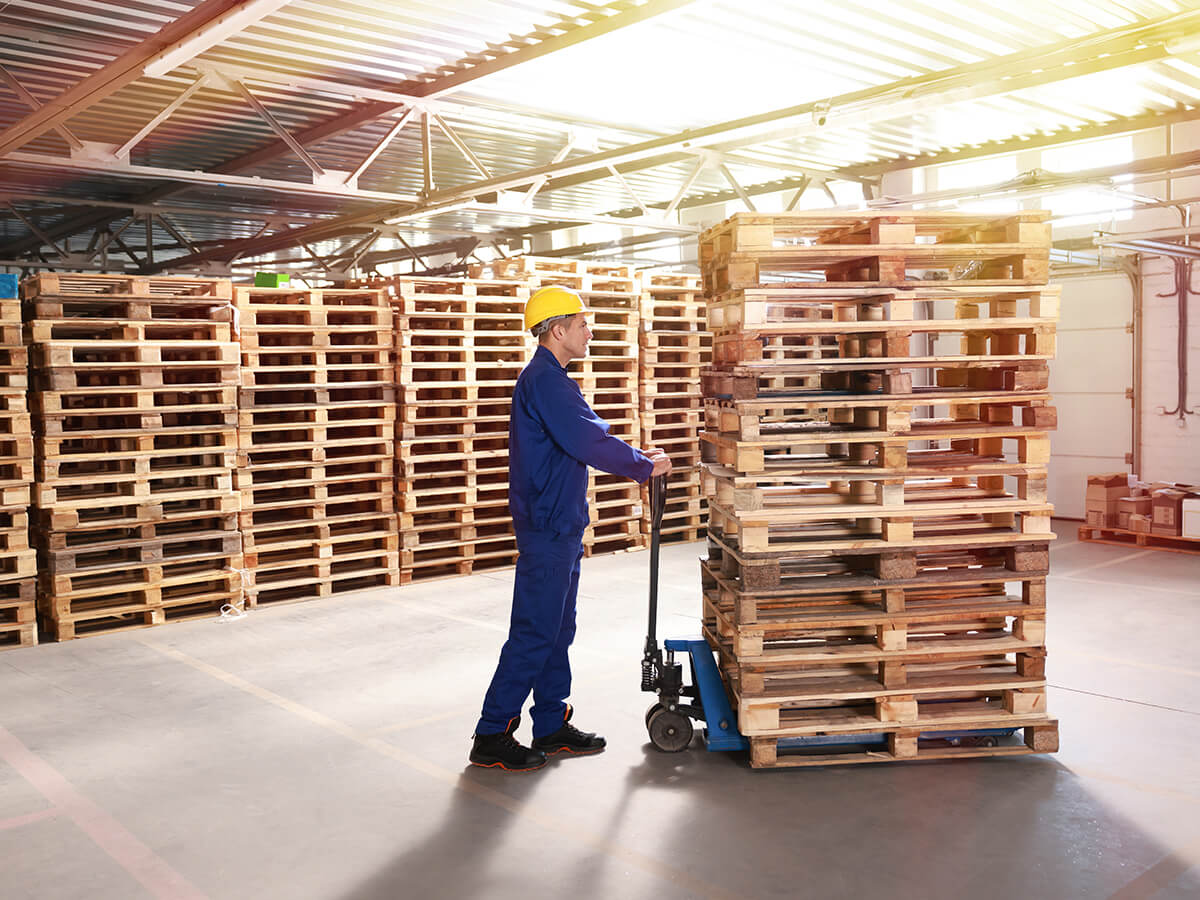 The Real Math: Total Cost of Ownership
Focusing only on the cheapest upfront purchase price of a pallet creates a dangerous financial illusion. The true operating cost must factor in manual corrective labor, product loss values, and downstream retailer penalties. A low-grade platform might save money today, but it ultimately costs far more due to systemic supply chain inefficiencies.
Many businesses do not realize how quickly small operational expenses grow into major financial drains. A cheap pallet price looks good on a purchase order but disappears when a broken board ruins an entire shipment of consumer goods. True cost analysis requires tracking every single dollar spent on manual product transfers, machinery fixes, and retailer chargeback fines. By calculating these hidden leaks, logistics leaders quickly see that high-quality platforms provide much better value over time.
Practical Solutions for Logistics Managers
Establishing clear material handling standards protects your operational flow and cuts down on unexpected overhead. Implementing these simple strategies keeps your facility safe, organized, and highly profitable.
1. Clear Sorting Protocols
- Property Sale Stage: Warehouse workers must learn clear visual inspection rules to stop bad wood at the door. Catching split boards during receiving prevents compromised platforms from entering automated storage lines. This step ensures only reliable, high-grade units carry your valuable outbound inventory.
- Training Program Rollouts: Managers should hold quick hands-on training sessions to show teams exactly how to spot subtle structural faults. Displaying broken blocks alongside sturdy wood examples gives your workers clear guidelines for daily sorting choices. Regular safety refresher courses keep quality standards high as team members change.
2. Closed-Loop Programs
- Property Sale Stage: Partnering with a dedicated manufacturer ensures your facility receives a steady supply of uniform platforms. Consistent wood grades remove the unpredictability commonly found with unvetted, random recycled batches. This steady quality helps stabilize your material handling systems and simplifies warehouse planning.
- Tracking Asset Patterns: Closed loops let you see exactly how many trips your custom platforms survive before needing service. Collecting this information helps your team fine-tune warehouse handling rules and reduce equipment damage. Better visibility helps managers plan purchasing budgets with total confidence.
3.Asset Recovery Networks
- Property Sale Stage: Utilizing a regional drop-trailer program allows your business to clear out accumulated warehouse clutter easily. Trailed units are swept away to a specialized facility where they are sorted and repaired properly. This loop earns your business valuable core rebates instead of filling up local landfills.
- Freeing Up Floor Space: Keeping an empty collection trailer parked at your dock door removes ugly wood piles from active work zones. Your facility gains immediate square footage for revenue-generating production lines or extra inventory storage. Clean loading bays lower workplace tripping hazards for your busy team.
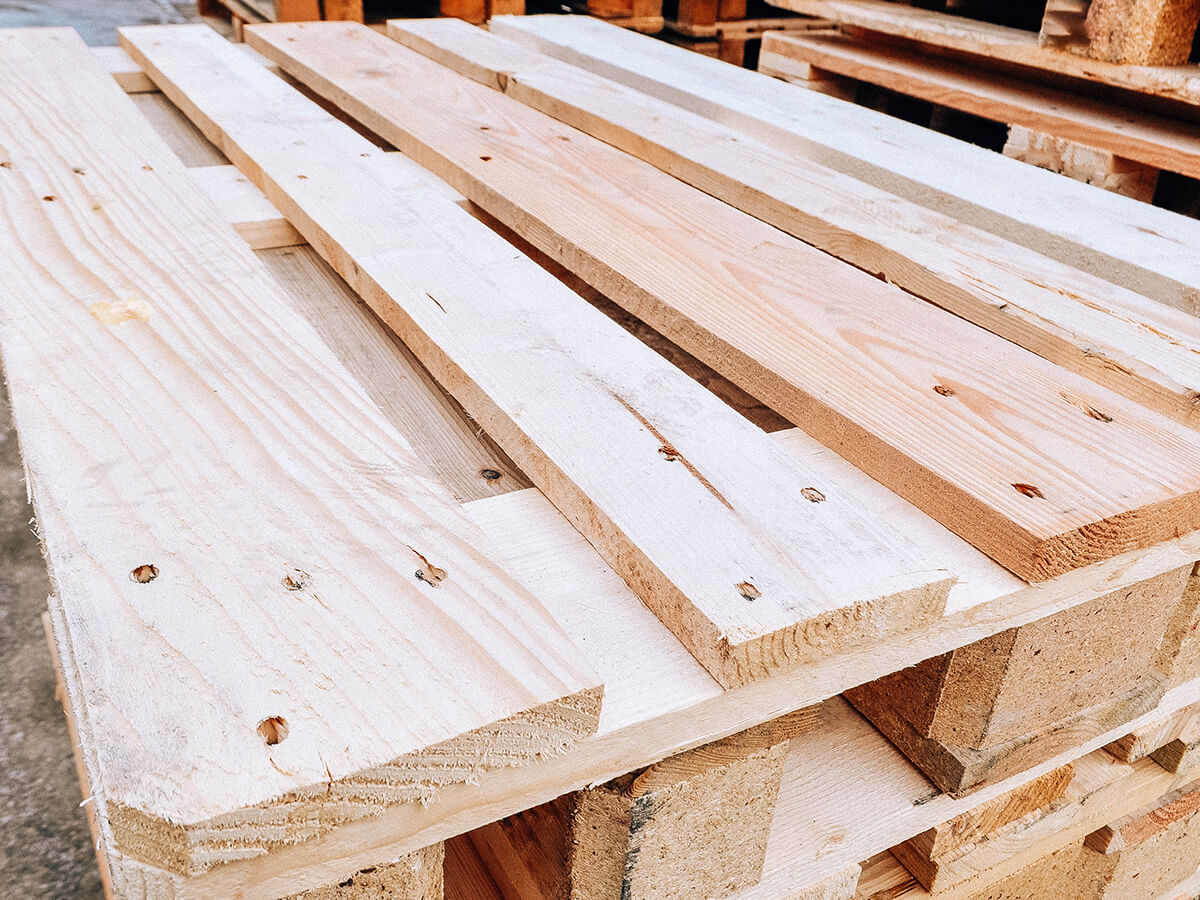 Optimize Your Supply Chain with Woodbridge Pallet
Eliminate hidden operational expenses and protect your cargo. At Woodbridge Pallet, we provide top-tier automated manufacturing, reliable asset recovery, and certified heat-treatment services to keep your transit lines moving smoothly. Our team manages your entire inventory lifecycle so you can focus entirely on your core business goals. Call us today at 1-800-361-7798 to secure the best new and recycled wooden pallets in Mississauga and build a more reliable distribution network.