A wooden pallet is the absolute backbone of the entire modern supply chain, acting as the silent partner in global commerce. Finding the right wood pallets in Mississauga requires you to understand the actual raw material used to build these critical shipping platforms. Choosing the wrong wood species can quickly lead to broken platforms, ruined commercial products, and significantly higher freight bills during transit. Local warehouse managers must constantly balance deck weight, structural strength, and overall material cost to keep regional supply chains moving smoothly.
Different types of timber offer completely unique physical traits that alter how your shipping platforms perform under immense pressure. For example, a heavy industrial manufacturing plant in the GTA (Greater Toronto Area) requires vastly different structural integrity than a high-volume food processing facility. Learning about these specific wood types gives you the power to choose the most dependable platform for your valuable inventory. By focusing on the exact characteristics of the timber, Mississauga companies can eliminate workplace safety hazards, stop product damage, and reduce shipping overhead.
The Big Divide: Hardwood vs. Softwood in Pallet Design
The specific type of industrial lumber you select changes how your shipping materials handle heavy warehouse loads on a daily basis. Making the right choice between these two distinct botanical categories helps local businesses prevent early platform failure and control transport budgets.
Mississauga sits at the heart of Ontario’s busiest shipping corridor, meaning local platforms must withstand constant movement, rapid temperature shifts, and frequent forklift handling. Understanding how these wood families behave under physical stress allows packaging procurement managers to choose materials that match their specific weight and durability requirements.
- Botanical Differences: The actual classification of lumber depends entirely on tree reproduction and seed structure rather than physical density. Hardwoods come from flowering plants while softwoods originate from trees that drop cones. This structural variance changes how the raw timber reacts to changing weather conditions.
- Hardwood Characteristics: These specific materials provide superior density along with excellent nail holding capacity for heavy applications. The tighter fiber structure makes the resulting platforms highly resistant to repeated forklift impacts. They are the ideal choice for multi-trip return systems operating within local industrial hubs.
- Softwood Characteristics: This light timber offers clean aesthetics and rapid growth cycles for high-volume manufacturing needs. The lighter weight helps shipping managers lower their overall fuel expenses during long-distance highway hauls. They work perfectly for single-use export shipments where weight limits are strictly enforced.
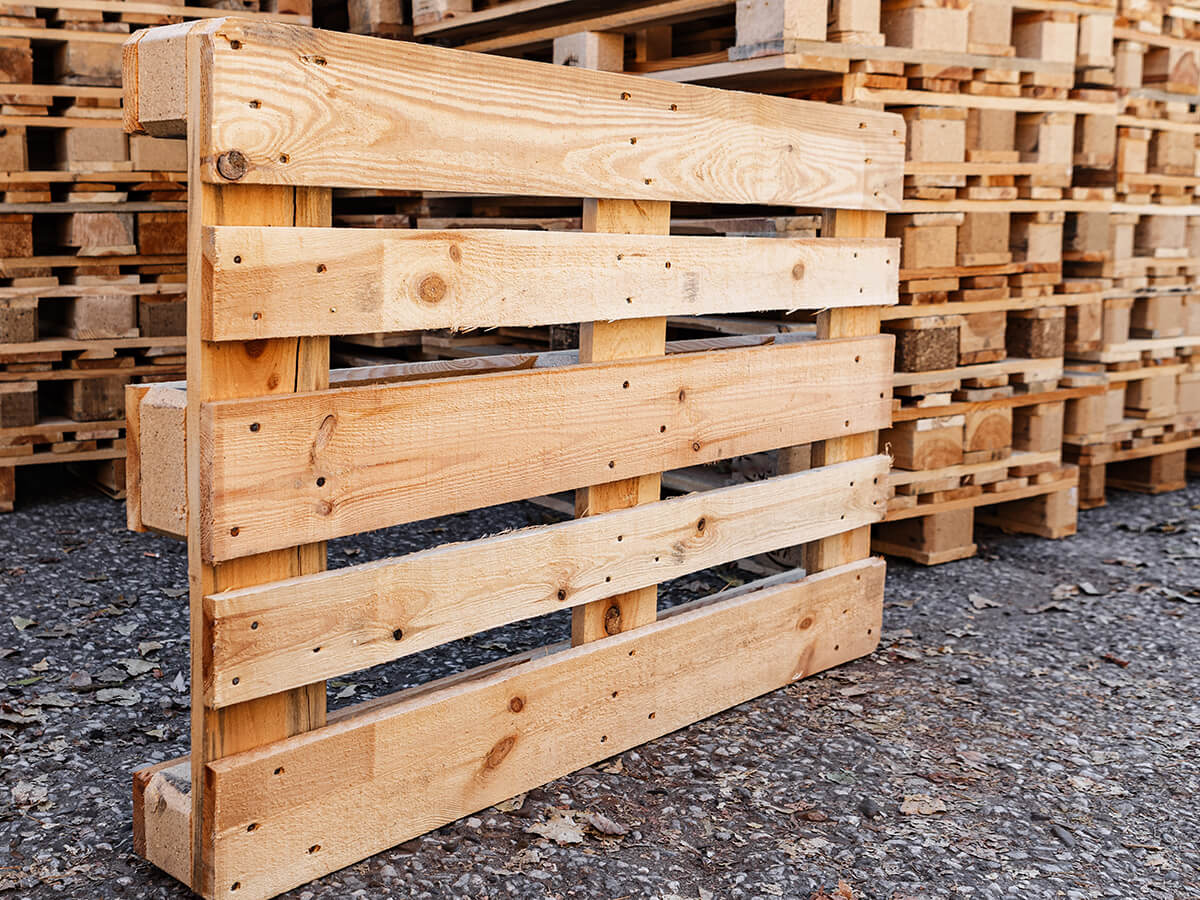 9 Common Wood Species Used for Pallets
Selecting a specific timber changes how your shipping platform handles rough movement, high humidity, and heavy warehouse loads. Mississauga supply chains process everything from heavy steel automotive components to sensitive medical devices, requiring a wide variety of structural designs. Here are the nine most popular options used by modern manufacturers to build industrial transport platforms.
The High-Density Hardwoods (Maximum Durability)
The heaviest industrial applications demand materials that will not bend, crack, or shear under extreme pressure. High-density hardwoods are the premier choice for closed-loop transport networks where the platform returns to the facility after delivery.
- Oak (Red and White): This dense hardwood provides unmatched strength and superior resistance to everyday wear. The thick fiber layout allows the platform to carry the heaviest manufacturing items safely. It remains the top choice for heavy industrial machinery moving through cross-dock facilities.
- Maple: This incredibly stiff material resists splitting and handles extreme pressure without bending out of shape. The tough surface ensures that your fasteners stay tightly locked in place during rough transport. It works best for high-traffic warehouse operations that require continuous product movement.
The Medium-Density Hardwoods (The Versatile All-Rounders)
Medium hardwoods offer a highly functional middle ground for distribution centers that handle a diverse mix of consumer goods. They provide sufficient durability for multiple trips without the excessive weight and high price tag of premium hardwoods.
- Yellow Poplar: This straight-grained hardwood offers an excellent middle ground between lightweight softwoods and dense lumber. It provides high dimensional stability which prevents the finished boards from warping in humid weather. Local distribution facilities use this wood for general consumer goods that need reliable structural support.
- Ash: This shock-resistant timber features amazing bending strength that prevents sudden structural breaks during lifting. The flexible nature of the wood fibers allows it to absorb heavy impacts from warehouse equipment easily. It keeps your shipping assemblies sturdy even when carrying unevenly distributed product loads.
- Birch: This local hardwood delivers a consistent texture and an excellent strength-to-weight ratio for everyday logistics. It offers a smooth surface finish that reduces the risk of tearing outer product packaging during handling. It serves as a highly reliable regional material for consumer product distribution networks.
The Softwoods and Low-Density Woods (Lightweight Efficiency)
When your primary logistics goals are reducing freight expenses, maximizing payload capacity, or meeting international export standards, softwoods are the ideal material. They clean up easily, dry quickly, and lower the overall physical strain on warehouse personnel.
- Southern Yellow Pine (SYP): This common softwood is highly popular across North America due to its clean look and structural reliability. It reacts incredibly well to standard kiln drying processes which helps prevent mold growth over time. It provides a cost-effective option for businesses that need to manufacture custom sizes in large volumes.
- Douglas Fir: This material delivers high structural stiffness without adding extra bulk to the final shipping platform. The natural resistance to decay protects the wood fibers when platforms are left on outdoor loading docks. It helps logistics teams reduce total tare weight while keeping the cargo completely stable.
- Spruce-Pine-Fir (SPF Mix): This clean Canadian softwood blend is highly adaptable and very easy for manufacturers to cut to precision. The lightweight nature of the wood makes it simple for warehouse staff to stack and move manually. It is used extensively for standard retail shipments and high-volume grocery distribution centers.
- Aspen: This unique low-density hardwood behaves like a soft timber and will not easily crack or break into large pieces. The smooth grain structure minimizes the presence of sharp splinters on the outer deck boards. It is highly valued for pharmaceutical and food shipments where clean packaging is mandatory.
Why Wood Selection Matters to Your Supply Chain
Your specific choice of raw material impacts every single part of your daily delivery operations, from worker safety to bottom-line profitability. Failing to match the timber to the application can cause systemic delays, expensive product loss, and friction at border crossings. For Mississauga enterprises operating under tight delivery windows, selecting the proper wood species is an easy way to optimize logistics efficiency.
- Load Capacity Limits: The density of your chosen timber determines how much weight the deck boards can support. Stronger woods prevent dangerous sagging when heavy cargo sits on high warehouse storage racks. Matching the wood species to your specific product weight keeps your workplace safe.
- Freight Budget Optimization: Heavy transport platforms increase your overall fuel consumption and reduce your allowable cargo weight limits. Using lightweight softwoods allows you to pack more actual product into every single delivery truck. This simple adjustment saves your business money on long highway shipping routes.
- Moisture Management: Different types of timber absorb and release environmental humidity at completely different rates. Porous woods can trap moisture which creates an ideal environment for harmful mold to develop. Selecting kiln-dried softwoods protects sensitive pharmaceutical and food products from moisture damage.
- International Export Compliance: Cross-border shipping requires all wooden packaging materials to undergo specific heat treatment processes to eliminate pests. Certain softwoods dry much faster in industrial kilns which speeds up the entire production timeline. Using compliant materials prevents costly delays at international customs checkpoints.
Technical Overview of Wood Classifications
Selecting the correct component configuration requires a clear look at how these materials compare analytically. The following reference table outlines the standard operational baselines for each material category used across regional distribution networks:
| Wood Category | Key Species Examples | Relative Strength | Weight Profile | Best Commercial Application |
|---|---|---|---|---|
| High-Density Hardwood | Oak, Maple | Maximum | Heavy | Industrial manufacturing, steel transport, closed-loop pooling |
| Medium Hardwood | Poplar, Ash, Birch | Moderate to High | Medium | General retail distribution, automotive parts, multi-trip crates |
| Softwoods | Pine, Fir, SPF, Aspen | Moderate | Lightweight | Single-use export, air freight, grocery logistics, pharmaceuticals |
Strategic Material Management for Local Warehouses
Operating a profitable facility near major transport routes like Highway 401 or 403 requires constant attention to material handling efficiency. Wood selection dictates how long a platform stays in service before requiring costly maintenance or replacement. When local businesses select a durable timber mix, they reduce the number of broken boards that end up in trash compactors. This smart approach directly supports corporate sustainability goals by minimizing wood waste.
Furthermore, using standardized wood species ensures that automated conveyor systems and robotic palletizers operate smoothly without jamming due to warped deck boards. In a fast-paced market where every minute counts, consistent wood performance protects your automated infrastructure investment. Choosing the right material source ensures that your day-to-day fulfillment stays predictable, safe, and highly cost-effective.
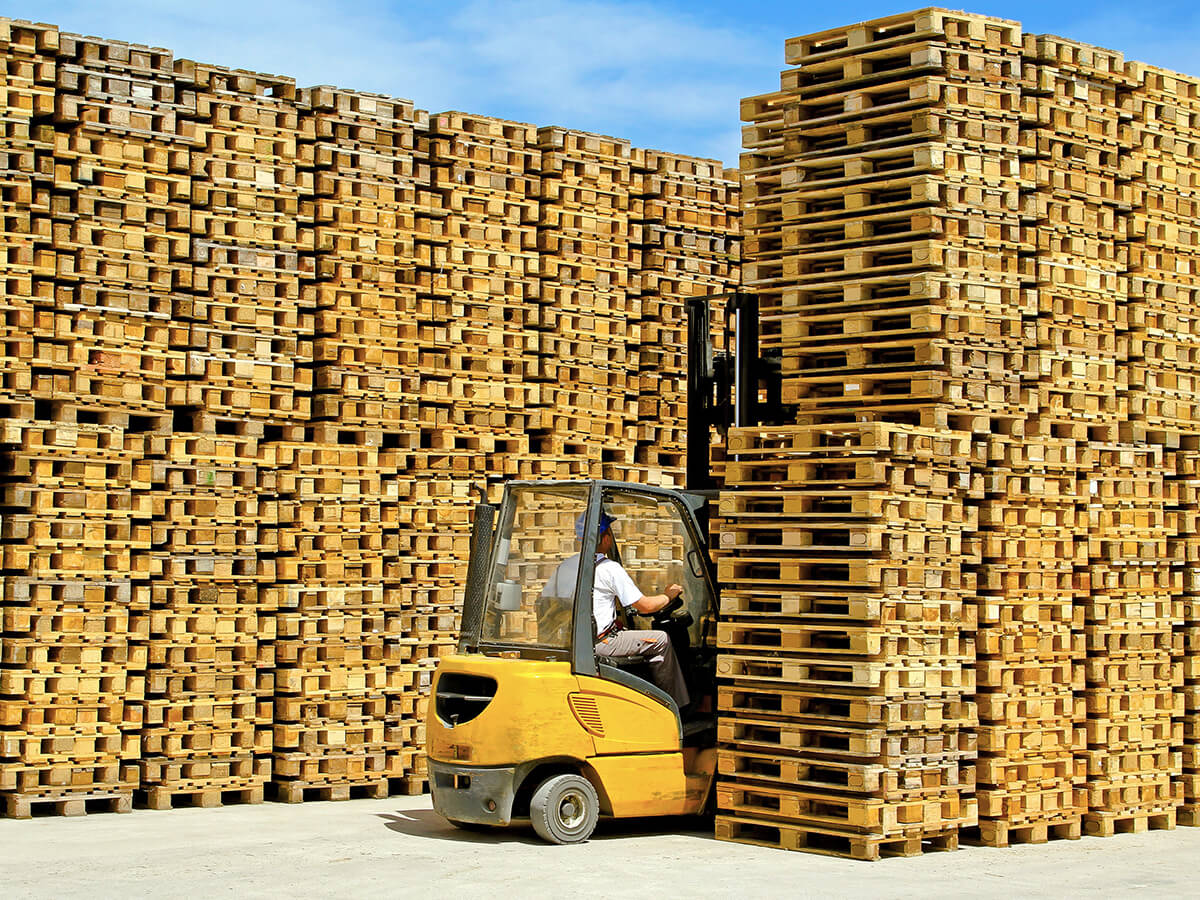 Partner with Woodbridge Pallet for Reliable Material Handling
Secure the best wood pallets in Mississauga for your commercial distribution needs today at Woodbridge Pallet. Our team can build custom wood pallets that fit your specific warehouse racks and transport requirements perfectly. We maintain a steady supply of new pallets and recycled options to keep your daily business moving without unexpected delays.
Let us handle your logistics challenges with our professional repair and drop-trailer retrieval services. Call our local facility today at 1-800-361-7798 to discuss your inventory needs and get a dependable quote for your next bulk order.