Wooden pallets are the essential backbone of supply chains across the Greater Toronto Area, keeping goods moving efficiently through local transit hubs. However, warehouse supervisors often overlook these wooden platforms until significant inventory damage occurs. Mould growth on shipping assets is a severe issue that leads to rejected shipments, ruined product packaging, and unexpected replacement expenses.
Many logistics teams assume that mould is a permanent defect from the manufacturer, but it is actually a biological reaction to specific warehouse habits. Choosing high-quality wooden pallets in Mississauga is an excellent first step, but improper storage can quickly turn clean shipping assets into breeding grounds for harmful fungi. By identifying and correcting common pallet storage mistakes, businesses can protect their inventory, maintain compliance, and extend the lifespan of their shipping assets.
What Does Mould Need to Grow?
Fungal spores are present everywhere in the environment, but they remain dormant until they encounter specific conditions. Managing your warehouse climate is the most effective way to prevent these spores from activating and spreading to your valuable stock. Wood naturally contains moisture and organic nutrients, making it a primary food source for fungi when environmental variables align.
- Atmospheric Oxygen Levels: Mould spores require oxygen to breathe and grow rapidly on organic surfaces. This element is consistently present in every standard warehouse, loading dock, and transport trailer across North America. Because oxygen cannot be removed from a functional supply chain, facility managers must focus on controlling other environmental factors.
- Warm Ambient Temperatures: Fungi thrive in temperatures ranging between 15°C and 27°C, which matches the seasonal climate of southern Ontario during spring and summer. Unconditioned storage facilities often experience internal temperature spikes that accelerate spore colonization. Keeping storage zones cool helps slow down the metabolic processes of surface fungi.
- Wood Moisture Content: Wood with an internal moisture content above 19% is highly susceptible to rapid fungal growth. This is the single most critical variable because it is the only factor that warehouse teams can actively measure and control. Keeping the moisture content low prevents the wood from supporting fungal life.
- Surface Contamination Variance: Surface mould looks unappealing and stains packaging, but does not immediately destroy the structural integrity of the timber. Wood-rotting fungi, on the other hand, feed on the structural fibres and soften the boards over time. Recognizing the difference helps teams identify whether a pallet is a cosmetic risk or a physical safety hazard.
- Elevated Relative Humidity: High moisture levels in the surrounding air prevent the wood from drying out naturally over time. When ambient humidity remains consistently high, the timber absorbs water vapour directly from the environment until it reaches a critical saturation point. This atmospheric dampness provides a stable surface moisture layer that allows dormant fungal spores to sprout.
Critical Storage Mistakes That Trigger Mould Growth
Many industrial facilities accidentally create perfect conditions for fungal development through simple layout mistakes. Avoiding these five frequent operational errors will keep your storage areas clean and protect your supply chain from contamination.
- Outdoor Ground Placement: Storing wooden platforms directly on bare ground exposes them to continuous moisture absorption from the soil. Capillary action draws standing rainwater and morning dew upward into the bottom deck boards very quickly. This mistake causes the lower level of the stack to rot while spreading moisture to the upper layers.
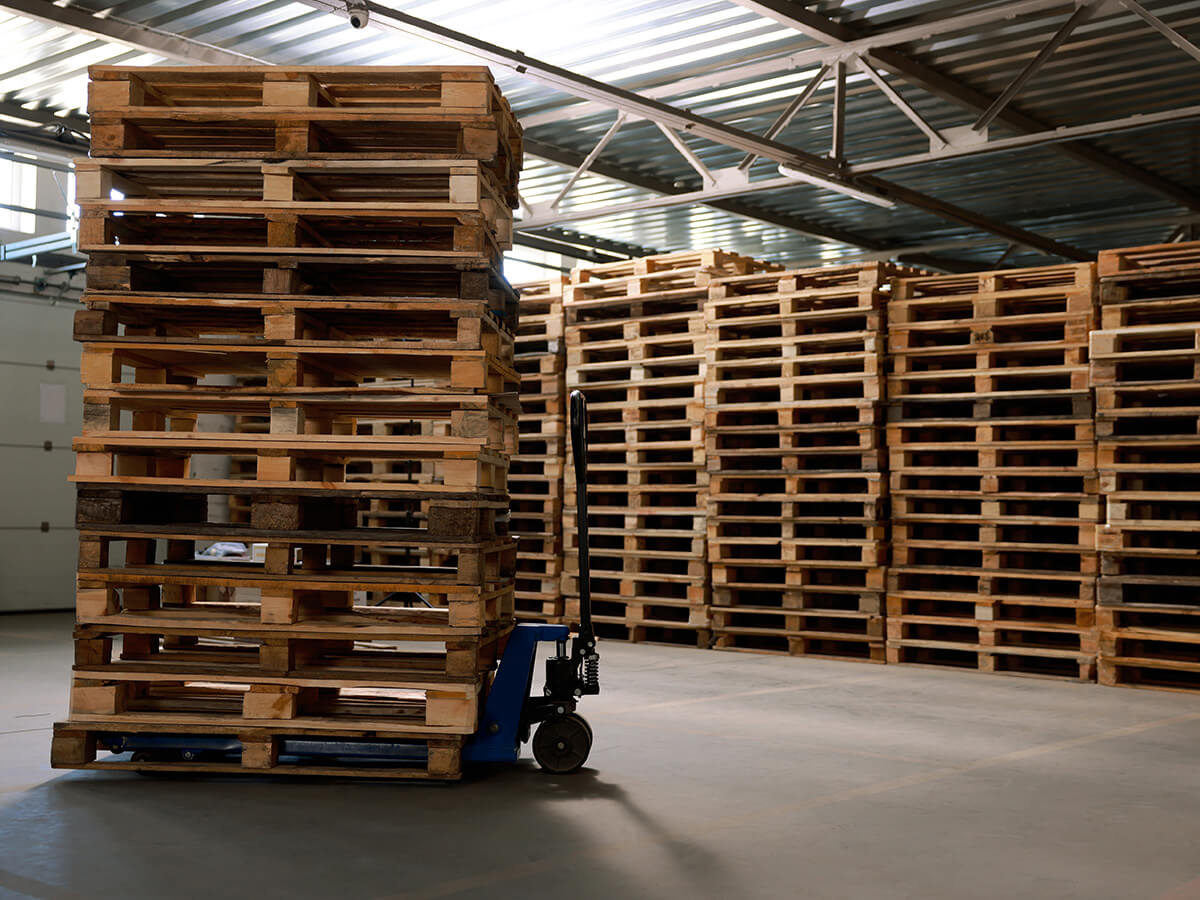
- Tight Stacking Layouts: Piling damp platforms closely together in warehouse corners blocks the natural movement of air around the timber. This poor layout creates a stagnant microclimate where trapped moisture cannot evaporate into the surrounding room. The resulting humid pocket of air allows spores to colonise entire stacks within a few days.
- Sealed Trailer Inversion: Leaving loaded or empty platforms inside closed transport trailers during warm weather causes intense heat buildup. Solar energy heats the metal container, causing internal moisture to bake out of the wood and rise to the ceiling. As the trailer cools overnight, this moisture condenses on the roof and drips back down onto your stock.
- Mixed Asset Batching: Storing newly manufactured, green timber in the same stack as seasoned, dry assets leads to rapid moisture migration. The high water content in the unseasoned wood naturally moves toward the drier materials nearby. This cross-contamination ruins the protective benefits of your dry stock and wastes your inventory investment.
- Unmonitored Indoor Humidity: Failing to monitor indoor relative humidity levels during humid seasonal transitions allows the wood to absorb moisture from the air. When indoor humidity stays above 60%, dry wooden platforms will naturally draw in water vapour until they match the surrounding room. This process pushes the internal moisture levels back into the high-risk fungal zone.
- Prolonged Stretch Wrap Retention: Leaving plastic stretch wrapping on unseasoned or damp wooden platforms traps natural core dampness inside the unit. The non-porous plastic film acts as a barrier that completely prevents standard surface evaporation. This trapped environmental envelope quickly triggers rapid fungal growth across the interior deck boards.
How Mouldy Pallets Directly Ruin Your Inventory
Fungal contamination on your shipping platforms does not stay confined to the wood; it spreads to your stock. Understanding how this growth affects your goods highlights why moisture control is vital for business success.
- Packaging Material Degradation: Moisture and fungal growth weaken corrugated cardboard boxes, causing lower layers to soften and lose strength. This structural failure causes stacked inventory to lean, buckle, or completely collapse on the warehouse floor. Damaged packaging frequently leads to broken products and unsafe working conditions for forklift operators.
- Odour and Aesthetic Transfer: Fungi release volatile organic compounds that create a strong, musty smell inside enclosed storage zones. Even if the physical growth does not touch the goods, this persistent odour can penetrate unsealed products and textiles. Customers will reject items that arrive with an unpleasant smell, making the stock unsellable.
- Regulatory Shipping Rejections: Food, beverage, and pharmaceutical supply chains enforce strict zero-tolerance policies regarding any signs of fungal contamination. Discovering a single spot of growth on a platform can cause a receiver to reject an entire truckload of goods. These rejections result in expensive returns, missed delivery deadlines, and damaged client relationships.
- Cross-Contamination of Clean Stock: Storing mouldy shipping assets directly alongside sterile inventory or clean packaging materials allows spores to migrate through physical contact. This rapid fungal transfer can compromise unaffected products that are stored in the immediate vicinity. Preventing this contact is necessary to contain the spread of spores and preserve the cleanliness of your entire warehouse facility.
- Increased Insect and Pest Attraction: Damp and decaying organic surfaces naturally attract boring beetles, ants, and other wood-boring insects into your storage zones. These pests can easily migrate from the timber into your product packaging and contaminate the actual goods inside. Failing to address the biological growth creates an inviting habitat that leads to severe pest infestations.
 Actionable Prevention Strategies for Warehouse Teams
Implementing small changes in your daily warehouse routines will significantly reduce the risk of asset contamination. These four strategies ensure your shipping platforms remain dry, compliant, and ready for transit.
- Active Airflow Optimization: Utilizing a chimney stacking pattern creates a vertical flue that allows air to move freely through the center of the pile. Warehouse teams should also maintain a 15-centimetre gap between wooden stacks and facility walls to prevent dead air zones. Improved ventilation speeds up natural evaporation and keeps the surface of the timber dry.
- Elevated Outdoor Staging: Placing assets on elevated concrete pads keeps the wood away from puddles and wet soil if outdoor storage is necessary. Covering the stacks with a breathable tarp shields them from rain while letting internal water vapour escape. This method prevents water from pooling on the deck boards during heavy downpours.
- Proper Material Specification: Working closely with your supplier ensures you select the correct type of timber seasoning for your specific supply chain requirements. Kiln-dried platforms undergo controlled heat treatment to lower internal moisture levels safely below 19%. Specifying dry material from the start removes the primary catalyst for fungal development.
- Inventory Rotation Management: Implementing a strict first-in, first-out system ensures older platforms are not left sitting in dark corners for long periods. Regular rotation keeps stock moving and exposes assets to light and moving air more frequently. This practice prevents stagnant zones from developing into undetected areas of growth.
- Routine Moisture Inspection Intervals: Implementing a standardized schedule with a calibrated handheld moisture meter allows logistics teams to check wood conditions before stacking. Measuring incoming shipments ensures that hidden water content is detected prior to placing assets into the main warehouse. Consistent data tracking helps identify failing storage zones before fungal spores have the opportunity to multiply.
 Protect Your Supply Chain with Woodbridge Pallet
Managing moisture levels is an ongoing challenge, but you do not have to handle it alone. Partnering with a professional supplier ensures your business has access to clean, reliable, and compliant shipping assets year-round. At Woodbridge Pallet, we understand the specific environmental challenges faced by local logistics hubs and manufacturing facilities.
Whether you need newly manufactured custom designs or cost-effective recycled pallets, our team ensures your platforms meet the highest regulatory standards. Call us today at 1-800-361-7798 to secure dependable wooden pallets in Mississauga, optimize your inventory management, and keep your supply chain moving safely.