Quick Answer: Future-proofing a supply chain requires treating wood pallets as precision-engineered assets rather than disposable commodities. By investing in exact dimensional specifications for automation compatibility, highly durable materials for extreme transit conditions, and circular recycling programs, Canadian operations can drastically reduce delays, eliminate automated system jams, and lower long-term logistics costs.
A single snapped stringer can paralyze a multi-million-dollar distribution centre. Supply chain disruptions are no longer isolated events; they are daily realities that require proactive, hardened infrastructure.
While logistics managers rush to integrate artificial intelligence and fleet tracking software, the physical base carrying the freight is frequently ignored. This oversight turns the most common warehouse item into a critical vulnerability.
Future-proofing means anticipating structural stress before it happens. It means designing a shipping platform that can survive rapid temperature shifts across the Canadian prairies, endure the rigid demands of robotic picking systems, and meet increasingly strict international environmental regulations.
True resilience starts from the ground up, demanding a massive shift from buying the cheapest available lumber to investing in a platform engineered for absolute stability and continuous, uninterrupted movement. Every fraction of a centimetre matters when protecting valuable inventory.
How Do Precise Specifications Prevent Automation Bottlenecks?
Canadian distribution networks are rapidly adopting robotic palletizers and automated storage and retrieval systems to combat severe labour shortages. These advanced systems demand absolute physical uniformity.
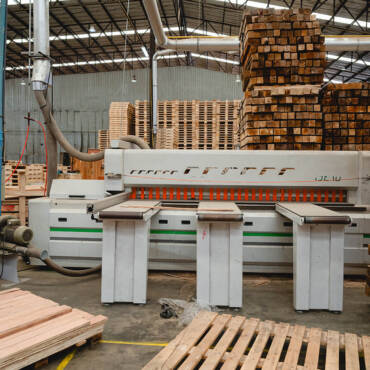
- Laser-Guided Precision: Automated sensors calibrate to exact millimetres. If a deck board is slightly warped or a fastener sits a fraction of a centimetre too high, the optical sensor registers a critical fault. The entire line shuts down, turning a minor wood defect into an expensive operational bottleneck that wastes hours of production time.
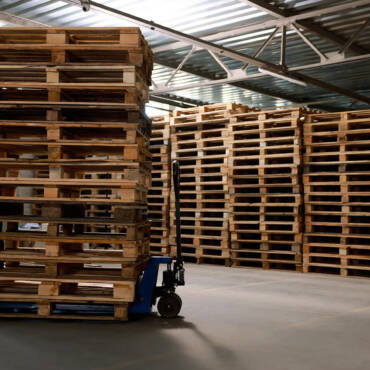
- High-Density Racking Stability: Modern warehouses store goods vertically, placing massive downward pressure on the base platform. A platform built with inconsistent lumber will bow under heavy loads. This deflection destabilizes the racking system, risking catastrophic product damage and severe safety hazards for facility workers operating below.
- Conveyor System Harmony: High-speed belts and rollers require smooth, uniform contact points. Splinters, loose nails, or uneven block placement will catch on conveyor transitions, ripping the belt and causing extensive mechanical downtime. Precision engineering ensures that the platform glides seamlessly through the automated network without generating harmful friction.
- Payload and Space Optimization: Beyond machinery, precise dimensions ensure that freight fits perfectly inside standard shipping containers and dry vans. Standardized, tight tolerances eliminate wasted cubic space, maximizing the volume of goods transported on every single truckload and driving down overall freight expenditures.
Why Is Material Durability the Ultimate Risk Mitigation?
A robust supply chain absorbs shocks – both physical and logistical. The platform carrying the inventory acts as the primary shock absorber, and its material quality dictates whether the product arrives intact or severely damaged.
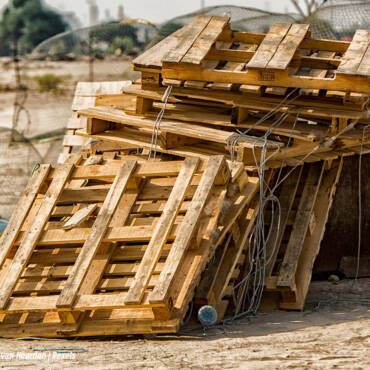
- Enduring Extreme Climates: Canadian logistics involves moving freight through freezing winters and heavily humid summers. Low-grade lumber absorbs moisture unevenly, leading to rapid warping and cracking when exposed to sub-zero temperatures. Premium, properly cured timber resists these extreme environmental shocks, maintaining structural integrity across thousands of kilometres of transit.
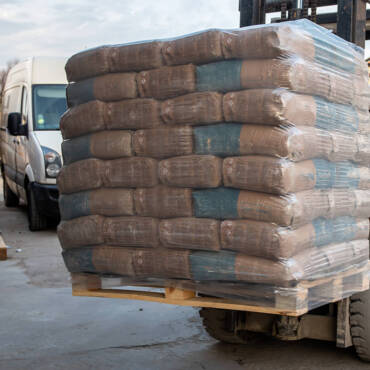
- Impact Resistance During Transit: Forklift handling, rail car vibrations, and long-haul trucking subject the load to constant lateral and vertical forces. A weak base will splinter, causing the freight to shift or collapse. If a warehouse manager settles for cheap, low-grade lumber rather than investing in a premium pallet in Mississauga, they risk their shipments shattering under the stress of heavy industrial handling. Upgrading to high-density hardwoods and strategic nail patterns prevents these costly structural failures.
- Reducing Product Loss: Every time a board breaks, the product it supports absorbs the immediate impact. The financial loss from damaged electronics, crushed pharmaceuticals, or punctured food containers far outweighs the initial savings of a cheap wooden platform. Future-proofing means designing the base to survive the absolute worst-case handling scenario without compromising the freight.
Can Sustainable Practices Actually Lower Operational Costs?

Environmental regulations are tightening globally. Supply chains that rely on single-use, disposable packaging face mounting disposal fees and severe corporate backlash. Transitioning to a sustainable model is a financial strategy that actively reduces overhead.
- The Circular Economy Advantage: High-quality wooden platforms are designed for longevity and repairability. Instead of paying exorbitant landfill fees for broken platforms, facilities can repair cracked boards and keep the asset in circulation. Study shows that 95% of wooden pallets are recycled. This remarkable recycling rate proves that wood is the ultimate renewable packaging material when managed correctly and efficiently.
- Biomass Conversion: At the absolute end of its life cycle, premium untreated timber does not become toxic waste. It is easily repurposed into landscape mulch or burned as biomass fuel. This closed-loop system entirely eliminates end-of-life disposal costs while supporting local green energy initiatives.
- Carbon Footprint Reduction: Manufacturing durable wood platforms requires significantly less energy than producing plastic alternatives. By extending the life cycle of each unit through strict maintenance protocols, logistics networks drastically lower their overall carbon emissions, effortlessly meeting strict corporate sustainability targets without sacrificing operational efficiency.
What Role Does Cross-Border Compliance Play in Future-Proofing?
For Canadian operations, the border is a major friction point. Customs delays destroy delivery schedules, ruin perishable goods, and trigger massive freight penalties.
- Strict ISPM 15 Adherence: International trade laws require all solid wood packaging to be heat-treated to eradicate invasive pests. Future-proofing requires a guaranteed, documented heat-treatment process. Without legible, authentic ISPM 15 stamps, entire shipments are forcefully rejected at the border, incurring steep fines and immediate return freight charges.
- Material Stability After Treatment: The extreme heat required for ISPM 15 compliance can severely warp thin, low-quality lumber. Investing in robust wood ensures the platform remains flat and dimensionally stable even after the harsh treatment process, preventing subsequent issues with robotic handling or automated racking upon arrival.
- Consistent Supply Chain Velocity: A future-proof logistics network relies entirely on velocity. By leveraging premium, fully compliant packaging, companies guarantee that their freight moves smoothly through customs checkpoints without triggering time-consuming agricultural inspections or expensive quarantine holds at busy border crossings.
Build Unbreakable Supply Chains Today
Stop allowing fragile packaging to threaten logistics operations. Designing a resilient, automated, and environmentally compliant distribution network requires investing in the physical foundation of the freight. Do not let a fractured board halt warehouse productivity or delay a crucial international shipment. Upgrade the infrastructure now to handle the heavy demands of tomorrow.
For operations demanding absolute reliability, partner with the leading pallet supplier in Mississauga.
Contact Woodbridge Pallet immediately. Call us at: 1-800-361-7798.
Strengthen the logistics network today with precision-built, high-quality platforms engineered for endless durability.