Quick Answer: Pallet quality directly dictates supply chain efficiency. Substandard platforms trigger automated system failures, damage expensive inventory, and inflate shipping weights. High-grade construction ensures seamless robotic handling, prevents transit damage, and supports sustainable recycling efforts, making precision engineering a financial necessity for modern logistics operations across Canada.
A splintered board or a protruding nail might seem like a minor warehouse nuisance, but in a high-speed logistics network, it acts as a critical failure point. Supply chains operate on razor-thin margins and microscopic timeframes. A simple wooden deck board is expected to carry heavier loads over longer distances while enduring harsher handling than ever before.
When logistics managers treat shipping platforms as a cheap commodity, they introduce severe risk into their operations. A load collapsing on a transport truck on the Trans-Canada Highway or a jammed robotic sensor in a fulfillment centre causes delays that cost thousands of dollars a minute. Quality is no longer an optional upgrade; it is the structural prerequisite that keeps modern commerce moving.
How Does Automation Expose Poor Construction?
Canadian warehouses are rapidly transitioning toward fully automated systems, replacing human operators with laser-guided vehicles and robotic stackers. These machines require absolute precision.
A human forklift driver can adjust for a sagging deck board or a slightly off-centre block. An automated storage and retrieval system cannot. Canadian distribution centres are increasingly relying on high-density storage solutions, meaning every piece of equipment must function flawlessly.
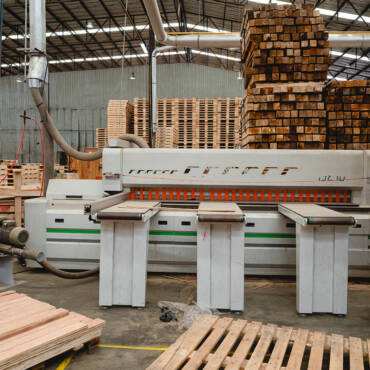
- Sensor Jams: Robotic palletizers rely on optical sensors that expect specific dimensions down to the millimetre. If a platform is warped or built with inconsistent tolerances, the sensor registers an error, halting the entire production line.
- Weight Distribution: Automated racking systems store goods dozens of metres high in the air. If a platform lacks the structural integrity to support heavy loads uniformly, it risks catastrophic deflection. The platform bows, throwing off the weight distribution and potentially causing thousands of dollars in product damage.
- Conveyor Snags: Loose fasteners or splintered stringers catch on high-speed conveyor belts. This not only damages the goods but tears up the warehouse infrastructure. Ordering a low-grade pallet in Mississauga might save a few dollars upfront, but it guarantees massive repair bills when it shreds a conveyor belt.
What Are the True Costs of Structural Failure?
A shipping platform acts as a shock absorber for your inventory. When the wood fails, the product absorbs the impact. The financial fallout of this damage extends far beyond the cost of replacing the broken wood.
In a Just-in-Time manufacturing environment, a single delayed truck can stall an entire assembly line. The ripple effect of a broken platform translates into missed production quotas, expedited freight penalties, and damaged client relationships.
- Inventory Loss: Whether shipping fragile electronics or heavy automotive parts, a collapsed deck board crushes the bottom tier of the load. This immediately erodes profit margins and creates sudden inventory shortages that are difficult to replace quickly.
- Labour Inefficiencies: When a load shifts during transit because of poor structural integrity, receiving docks must manually rebuild the shipment. This wastes hours of labour and clogs up loading bays, delaying subsequent shipments and creating a backlog in the yard.
- Safety Liabilities: A cracked stringer is a severe safety hazard. If a platform snaps while elevated on a forklift, the falling freight endangers warehouse staff. Prioritizing high-grade lumber and precise fastener placement is a direct investment in facility safety and risk management.
Can Better Materials Reduce Your Carbon Footprint?
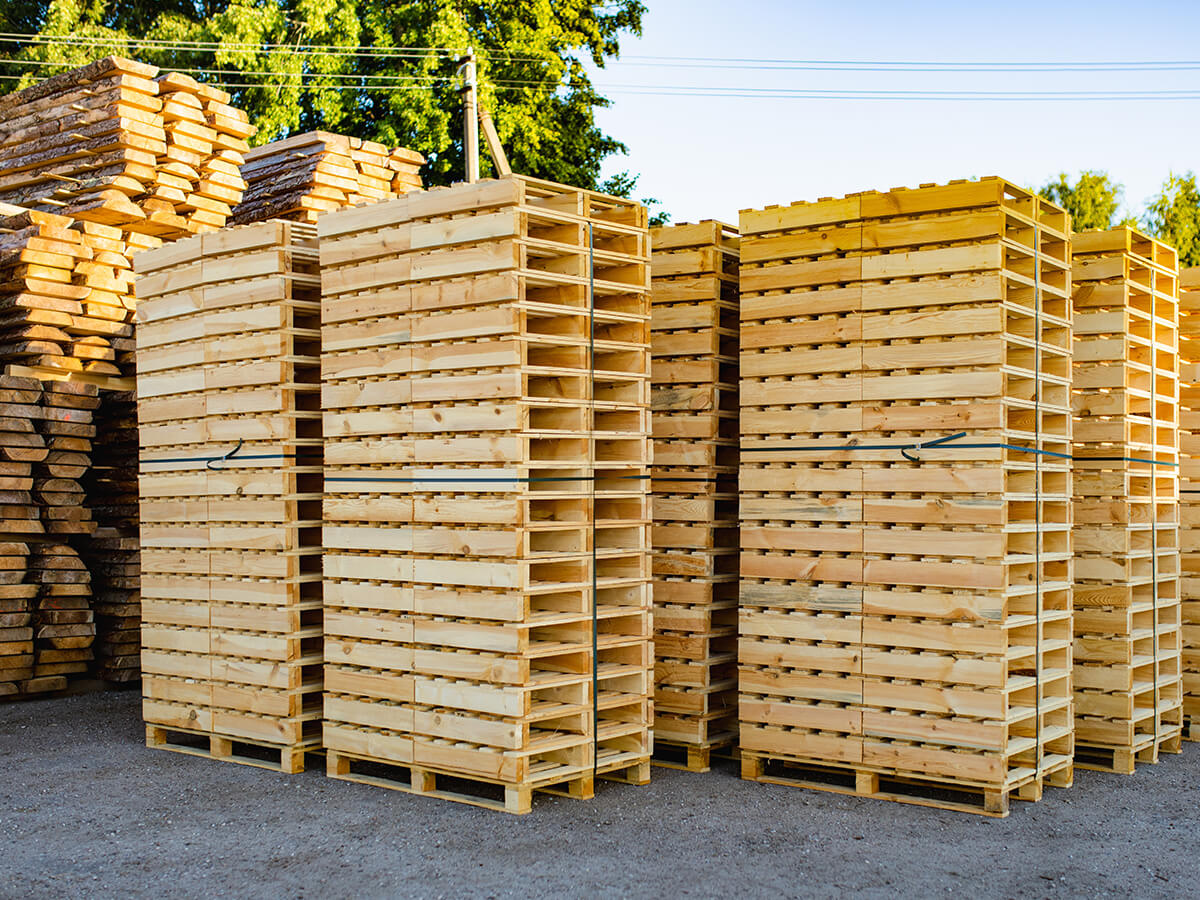
Environmental sustainability is a core metric for corporate success. Companies face increasing pressure from consumers and government regulators to demonstrate real progress toward carbon neutrality.
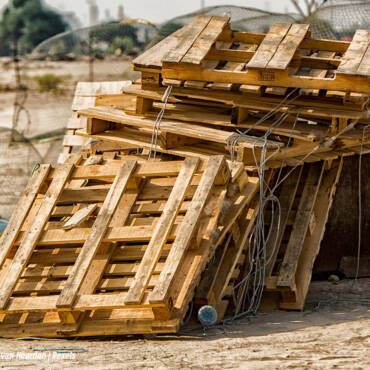
Cheap, single-use platforms generate massive amounts of industrial waste, filling up Canadian landfills and inflating disposal costs. Investing in durable, high-quality wood completely changes the lifecycle of the asset.
High-grade timber withstands dozens of trips through the supply chain without splintering. When a durable platform finally sustains damage, it can be repaired rather than discarded. According to a study, there are potential solutions to mitigate the environmental and cost impacts of wood pallets, including alternative materials, logistical strategies, maintenance, re-use, and recycling (De Souzaa et al., 2020).
By purchasing quality from the start, logistics managers enable these exact solutions. A well-built platform enters a closed-loop pool where it is continually maintained and reused. When it finally reaches the end of its usable life, the untreated, high-quality wood is easily ground into biomass fuel or landscape mulch, achieving a true zero-waste outcome that aligns with strict corporate environmental goals.
Why Does Cross-Border Compliance Demand Precision?
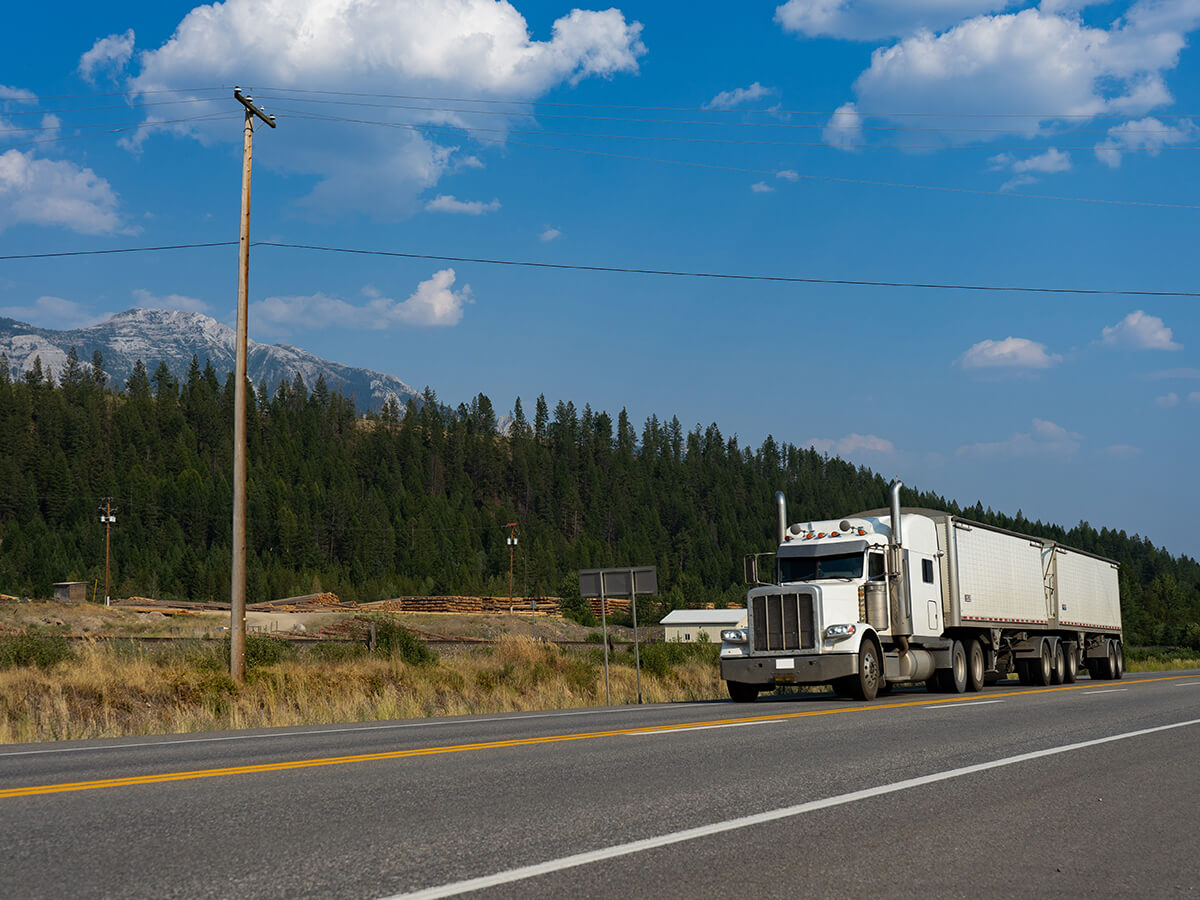
For Canadian businesses, the United States border is a constant hurdle. Customs agents strictly enforce international shipping regulations, and the quality of your shipping platforms dictates how quickly your freight clears inspection.
Intermodal shipping, which transfers freight from trucks to rail cars, adds another layer of stress. The lateral forces experienced on a freight train moving across the Canadian Shield require exceptional structural rigidity to prevent catastrophic load shifting.
- ISPM 15 Certification: All wood packaging crossing the border must be heat-treated to eradicate pests. Low-quality wood often warps or cracks severely during this extreme heating process. High-grade lumber maintains its structural integrity long after treatment.
- Legible Stamping: Customs officials require clear, legible ISPM 15 stamps. Rough, splintered wood makes these stamps unreadable, leading to immediate shipment rejections, fines, and costly border delays that ruin tight delivery schedules.
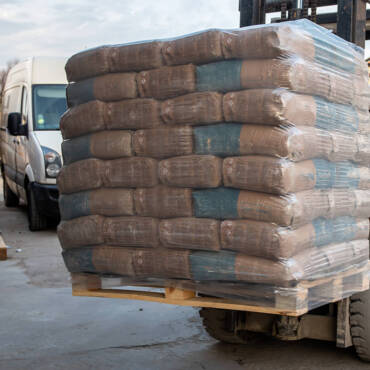
- Transit Durability: Long-haul trucking subjects freight to constant vibration and extreme temperature shifts. A poorly constructed platform will loosen and fail an over-a-thousand of kilometres journey. Premium construction ensures the load arrives at its destination exactly as it left the facility.
Secure Your Freight Operations Today
Stop letting substandard materials dictate your supply chain efficiency. Upgrading your shipping infrastructure protects your valuable products, ensures cross-border compliance, and keeps your automated systems running flawlessly. Do not let a broken board bring your entire distribution network to a grinding halt.
If you need a reliable pallet supplier in Mississauga, demand the highest standard of engineering and premium materials.
Contact Woodbridge Pallet right now. Call us at 1-800-361-7798.
Strengthen your logistics network today with precision-built platforms designed to handle the most demanding industrial requirements.