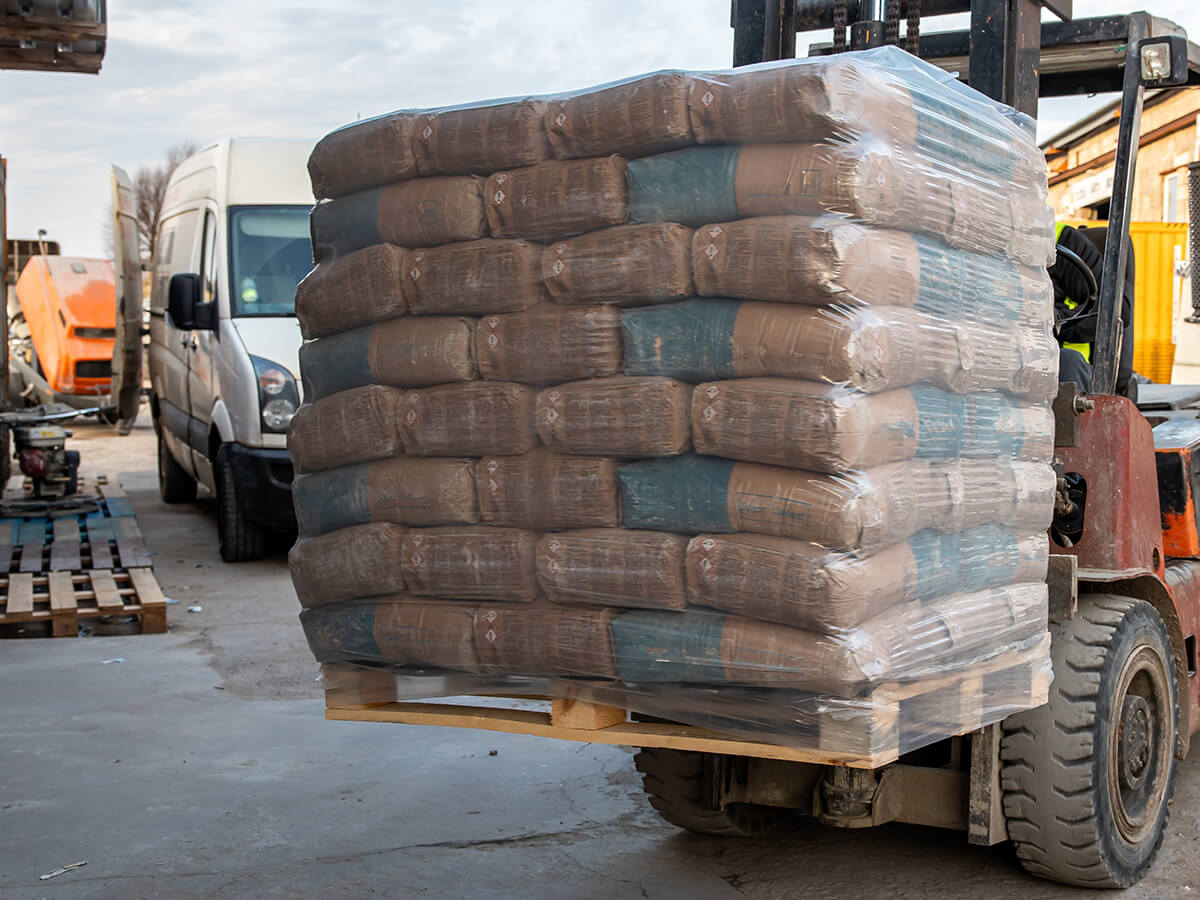
Quick Answer: Canadian manufacturers are switching to custom wood pallets to eliminate the hidden costs of inefficient freight, prevent product damage, and ensure flawless compatibility with robotic automation. Custom engineering delivers a sustainable, precision-built platform perfectly matched to specific load requirements, drastically reducing overall transit expenses.
A fraction of an inch can cost a Canadian manufacturer millions. While executives obsess over supply chain software and automated robotics, the physical foundation of their freight is often an afterthought.
Relying on standard, off-the-shelf shipping platforms is a gamble that modern industries can no longer afford. When a product overhangs by half an inch, it invites crushing. When it underhangs, you are paying to ship empty air across the Trans-Canada Highway.
The shift is clear: top-tier manufacturers are abandoning the generic and investing heavily in custom wood pallets. The reasons are strictly financial, operational, and environmental.
Is the “Standard” Size Actually Costing You Money?
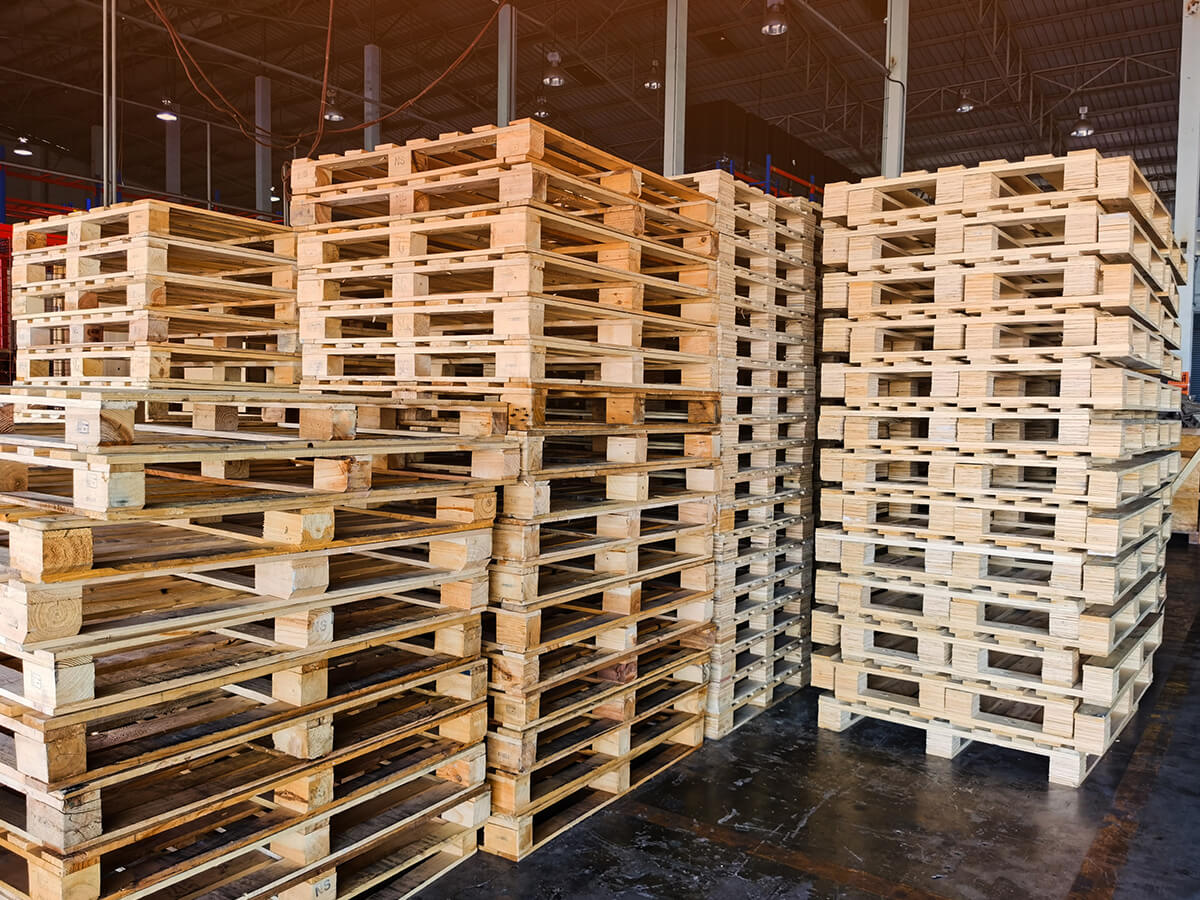
The 48×40 footprint is ubiquitous, but it does not equal efficiency. Custom manufacturing requires custom logistics. If product dimensions mismatch the standard platform, you hemorrhage capital in hidden ways:
- Freight Inefficiency: Transporting goods across Canada’s vast distances is expensive. Without maximized deck space, you cannot fit the optimal number of units onto a trailer. Custom dimensions allow for perfect packing, reducing the required number of trucks.
- Warehousing Density: Industrial real estate costs are breaking records. Custom platforms are designed to integrate seamlessly into your specific racking systems, maximizing vertical storage and minimizing footprint.
- Weight Reduction: Custom engineering lets you select the exact lumber species and board thickness needed, trimming unnecessary tare weight and reducing fuel consumption. Every kilogram saved on packaging is a kilogram gained in payload capacity, allowing you to ship more revenue-generating product per trip.
Can Custom Engineering Prevent Product Damage?
Standard platforms are built for average loads, but your product is not average. Whether moving sensitive pharmaceuticals or heavy automotive parts, the platform must absorb specific transit shocks.
When a manufacturer orders a generic pallet in Mississauga, they risk getting a platform that cannot handle their specific weight distribution. This leads to immediate structural failure during handling. Custom engineering solves this through precision structural design:
- Strategic Fastener Placement: Custom designs account for stress points. Adjusting nail patterns prevents the platform from pulling apart under heavy vibrations.
- Deck Board Spacing: Fragile goods require tighter deck board spacing to prevent sagging and corner crushing. Custom builders calculate the exact gap needed to support your boxes without wasting lumber.
- Moisture Content Control: Canadian winters are brutal on raw materials. Custom suppliers cure the wood to a specific moisture content, preventing warping, shrinkage, or nail popping when the temperature drops. This attention to detail ensures that the platform acts as a shock absorber, rather than a rigid liability, regardless of whether your shipment is crossing the Rocky Mountains or passing through rough industrial yards.
How Does Sustainability Drive the Custom Choice?
Corporate environmental mandates are stricter than ever. Manufacturers aggressively seek ways to lower their carbon footprint, and the shipping platform plays a pivotal role.
Many assume that standardizing around plastic is the answer for longevity, but the data proves otherwise. According to a study, wood transport pallets are more environmentally friendly than plastic ones, especially when energy recovery is implemented at the end of their life cycle (Kočí et al., 2019).
Custom wood options offer distinct environmental advantages aligning perfectly with Canadian sustainability goals:
- Targeted Material Usage: By engineering the platform to exact specifications, builders use less raw lumber. You avoid the waste of over-engineering.
- Repairability: Custom designs can be built with modular repair in mind. When a stringer breaks, a facility can replace that single piece, extending the asset’s lifespan.
- Biomass Conversion: At the end of its life, a wooden platform does not end up in a landfill. It is ground down into mulch or biomass fuel, creating a true closed-loop lifecycle.
Will Automation Force the Shift to Custom Specs?
The Canadian manufacturing sector is rapidly adopting automation. Automated storage systems and robotic palletizers are incredibly efficient, but they are completely rigid. They do not tolerate variance.
A standard platform often comes with acceptable variance ranges; a quarter-inch here, a slight bow there. To a human forklift driver, this is irrelevant. To a robotic sensor, it is a catastrophic error that triggers a system shutdown.
- Precision Tolerances: Custom manufacturing ensures every unit falls within microscopic tolerances. The length, width, and deck height are identical, guaranteeing smooth transition through automated lines.
- Sensor Alignment: Modern warehouses use optical sensors to guide automated equipment. Custom platforms integrate specific lead boards ensuring sensors read the load correctly.
- Deflection Control: When stored high in automated racking, a platform cannot bow under the weight of its load. Custom engineering guarantees the exact deflection limit, ensuring the platform remains rigid and secure.
Does Cross-Border Trade Require Custom Solutions?
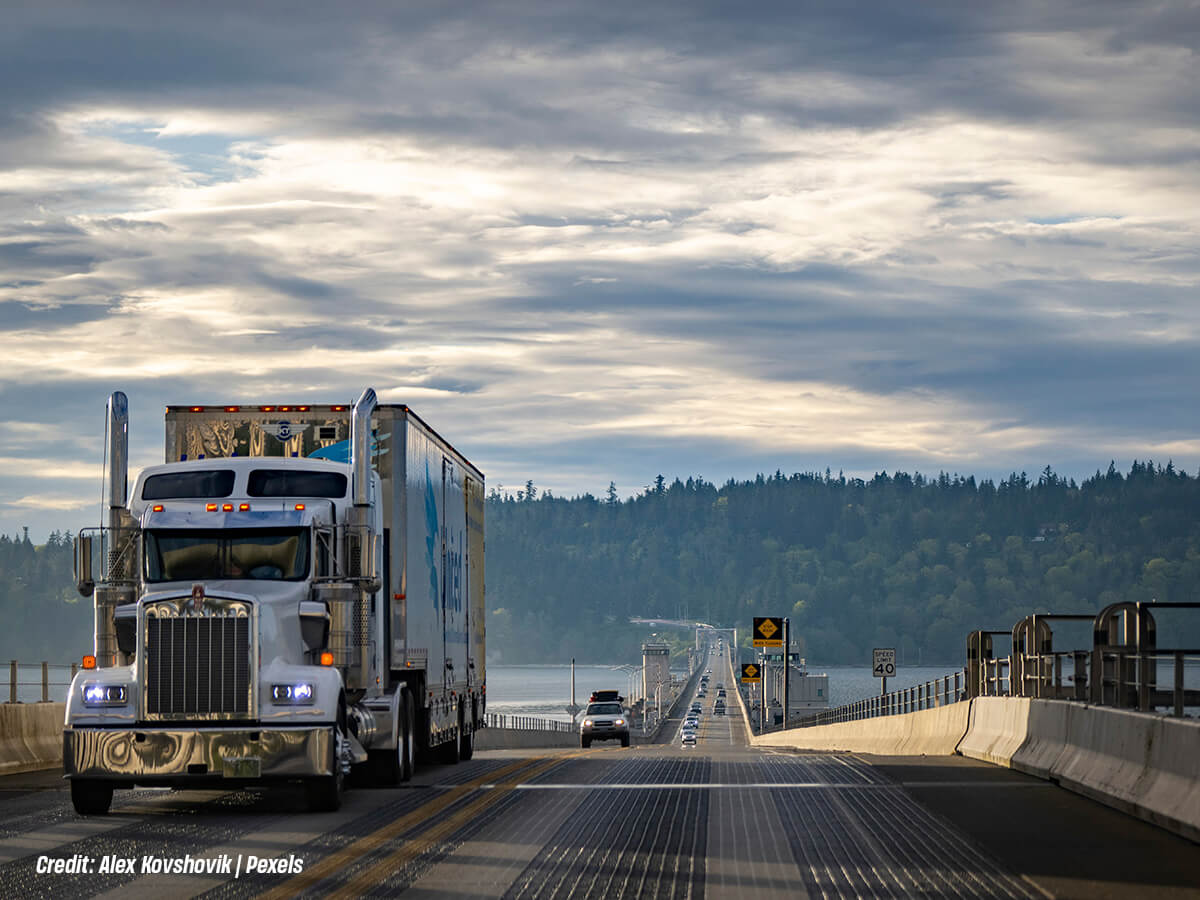
For Canadian manufacturers, exporting to the United States introduces strict regulations. Crossing the border requires precision packaging.
- ISPM 15 Heat Treatment: Any wood packaging leaving Canada must be heat-treated and stamped to prove compliance with ISPM 15 regulations. Custom builders integrate this treatment directly into the manufacturing process, ensuring your goods are never delayed at customs.
- Optimized Container Fitting: Standard platforms do not always fit perfectly into shipping containers. By customizing the dimensions by just a few inches, manufacturers can double-stack or pinwheel their loads efficiently, maximizing internal volume and drastically reducing international freight costs.
- Branding and Tracking: Custom options allow for integrated branding, stencilling, or RFID tag insertion. This ensures that your assets are easily trackable throughout the North American supply chain, reducing loss and improving reverse logistics.
This tracking is critical for specialized industries, like aerospace or automotive manufacturing, where lost shipments halt assembly lines. Custom footprints can also accommodate the exact internal dimensions of intermodal rail cars crossing the border, preventing lateral shift during transit.
Upgrade Your Supply Chain Today
Stop letting inefficient, mass-produced platforms dictate your logistics strategy. The right design protects your product, maximizes your freight spend, and integrates flawlessly into your automated warehouse. Do not settle for average when your supply chain demands precision. Take control of your logistics foundation today.
If you’re looking for a trusted pallet supplier in Mississauga, you need a partner with the engineering expertise to build exactly what your product demands.
Contact Woodbridge Pallet immediately. Call us at 1-800-361-7798 today.
Let us engineer the perfect structural solution to keep your Canadian manufacturing operations moving forward without hesitation.