
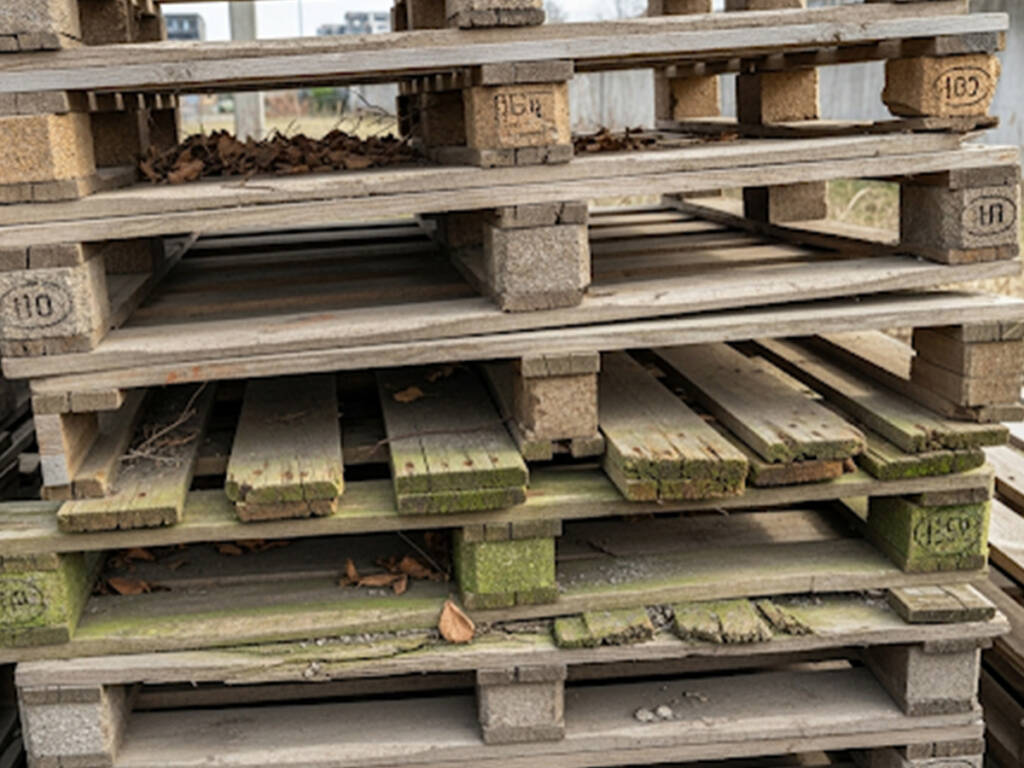
The Canadian wood packaging sector had generated almost $1 billion in sales in 2018 alone, according to estimates by the Canadian Wood Pallet & Containers. A significant portion of these pallets, once used, often reach the end of their life cycle in landfills. The sheer volume presents a substantial challenge for waste management systems and environmental conservation. This disposal practice stands in direct opposition to the growing global push for sustainable resource management.
The widespread use of these platforms across various sectors makes their end-of-life handling a critical environmental issue. Many pallets, despite being made from a renewable resource, are treated as single-use items. Implementing effective recycling programs for wood pallets offers a powerful solution. This approach is a core and effective strategy for achieving zero-waste goals by lessening landfill pressure, preserving materials, and championing a circular economy.
Understanding Zero-Waste Goals
Zero-waste is an aspirational concept and a practical framework for changing how people and organizations think about resources. The principle centres on preventing waste from ever being created. The strategy focuses on redesigning systems and products so all resources can be fully reused or returned to nature. A zero-waste approach moves beyond simply diverting waste from landfills; it aims to eliminate waste from the beginning of a product’s life cycle. This philosophy is based on the 5 Rs: Refuse, Reduce, Reuse, Repurpose, and Rot.
A zero-waste approach is important because it conserves finite resources, lessens pollution from extraction and manufacturing, and reduces the environmental harm caused by landfills. The goals provide a framework for a circular economy, where materials are kept in use for as long as possible. The focus shifts from a linear “take, make, dispose” model to a more sustainable, cyclical one. Embracing zero-waste principles is a necessary move toward a more sustainable future for businesses and communities alike.
The Pallet Problem: Why Recycling is Essential
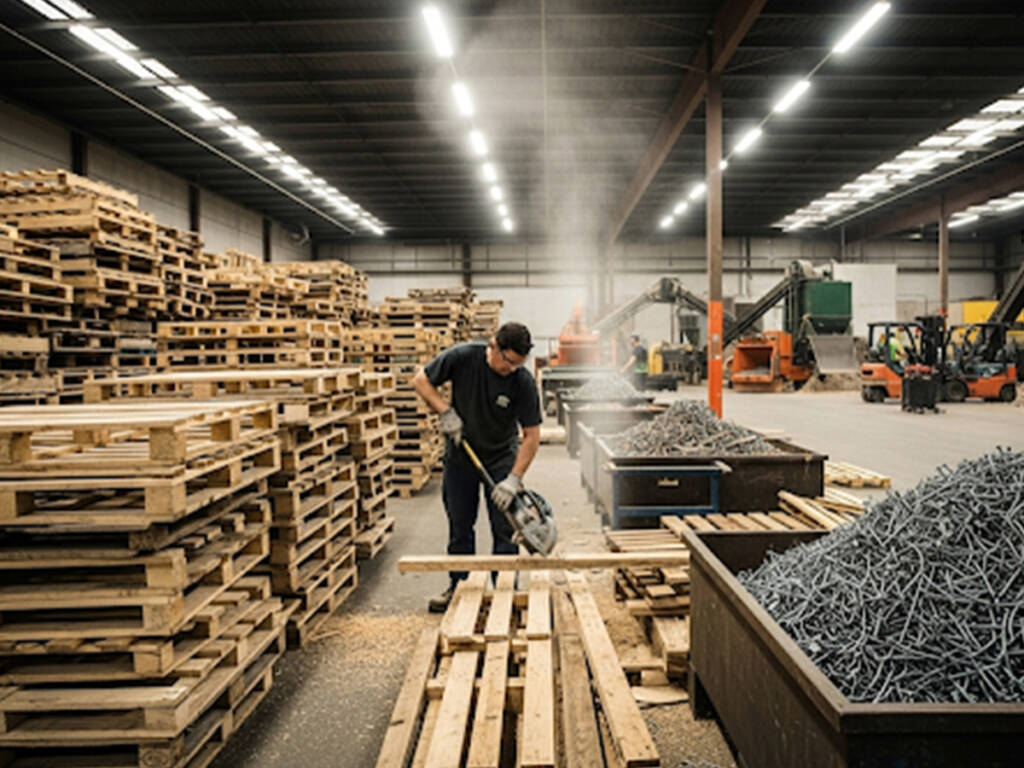
The journey of a wood pallet from a sawmill to a landfill highlights a significant flaw in many industrial supply chains. Finding better ways to handle these materials after they have served their purpose is critical for any company aiming for a lower environmental footprint.
- Landfill Space Reduction
Each year, countless pallets are dumped, occupying valuable space in landfills. Discarded wood is bulky and slow to decompose, contributing to long-term landfill issues. Recycling wood pallets directly addresses this by diverting a significant volume of material away from waste sites, preserving landfill capacity for truly unrecyclable items. - Resource Preservation
The lumber used to make new pallets comes from trees. When pallets are discarded, the effort and resources used to harvest, mill, and construct them are wasted. Sustainable pallet management involves reusing and repurposing this material, thereby reducing the need to cut down new trees and conserving forest resources. - Energy and Emissions Savings
Creating new products from scratch is energy-intensive. Processing raw wood, transporting it, and manufacturing new pallets requires substantial energy inputs. Repurposing existing wood saves the energy that would have been used for harvesting and initial processing. Pallet repurposing significantly lowers the carbon footprint associated with logistics. - Economic Benefits
A robust pallet recycling program creates a new economic stream. Instead of incurring costs for disposal, companies can sell their used pallets or buy refurbished ones at a lower cost. This circular economy model supports local businesses and creates jobs in the pallet repair and reclamation sector. - Preventing Environmental Contamination
While wood is biodegradable, pallets often contain nails, screws, and are sometimes treated with chemicals. When pallets decompose in landfills, these components can leach into the soil and groundwater. By recycling these materials, people prevent this potential source of contamination, ensuring a cleaner environment. Pallet and wood waste management is crucial for environmental health.
How Recycling Pallets Contributes to Zero-Waste
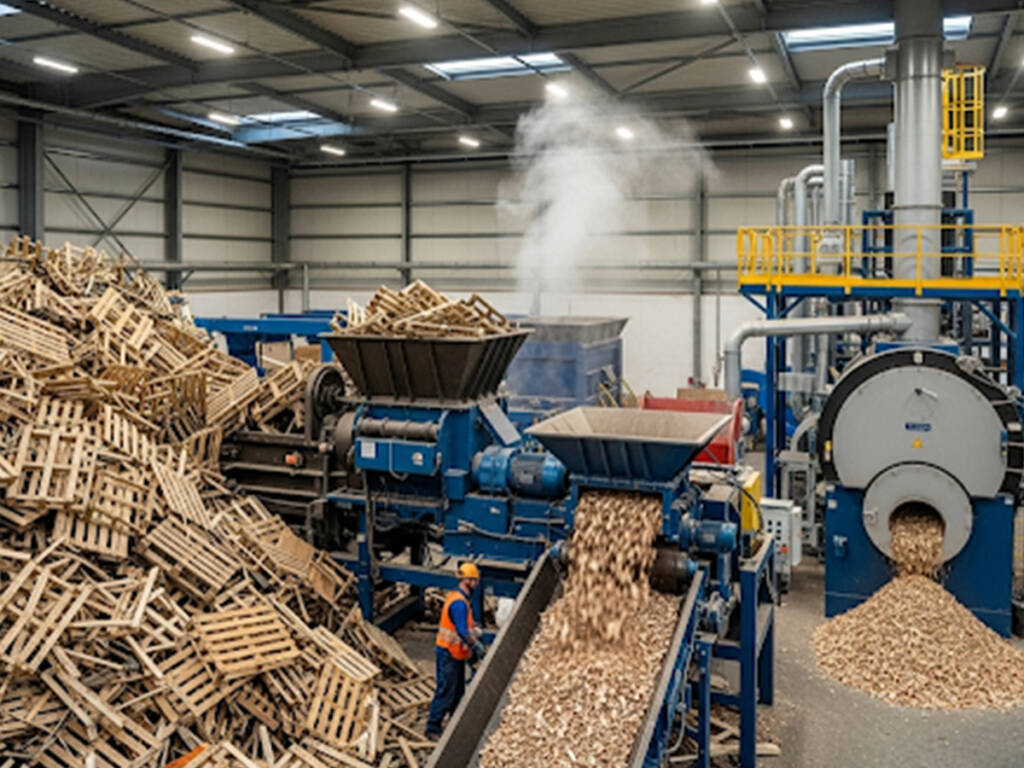
Recycling wood pallets embodies the principles of a circular economy by keeping materials in use for as long as possible, reducing the need for new resources and preventing pollution. Implementing a sound recycling strategy for these materials shows a deep commitment to environmental responsibility.
- Extending Product Lifecycles
The most basic form of pallet recycling is simple reuse. Many pallets can be repaired and put back into circulation. Pallet refurbishment services extend the life of these items from a few months to several years. This practice reduces the demand for new production and keeps valuable wood in the supply chain longer. - Transforming into New Products
When pallets are too damaged for repair, they are not useless. The wood can be shredded or ground into mulch, animal bedding, or boiler fuel. Waste wood recycling turns a potential waste item into a valuable commodity, supporting other industries and closing the loop on a product’s lifecycle. - Upcycling and Creative Reuse
Individuals and businesses are increasingly finding creative ways to repurpose pallet wood. Pallets can be deconstructed and used for building furniture, garden planters, and other creative projects. This pallet upcycling transforms a discarded item into something with higher value and a new purpose, fully embodying the principle of repurposing. - Generating Biofuels and Energy
The Canadian Wood Waste Recycling Business Group points out that wood waste, including unrecyclable pallets, can be processed into biomass fuel. This is a greener alternative to fossil fuels, as it can be a carbon-neutral energy source. The process of reclaiming waste wood for energy production is an example of turning a potential disposal problem into a renewable resource. - Supporting Sustainable Supply Chains
By integrating recycled pallets into their operations, businesses can significantly reduce their environmental impact. Using eco-friendly pallets or participating in pallet pooling systems means companies are part of a shared, circular supply chain. This approach fosters collaboration and collective responsibility for resource management across different industries. - Lowering Carbon Emissions
The entire process of pallet recycling, from collection to processing and reuse, has a lower carbon footprint than producing new pallets. By reducing the need for logging, milling, and long-distance transport of new lumber, sustainable wood solutions help businesses and communities lower their overall greenhouse gas emissions.
Recycling wood pallets is a key pillar of a successful zero-waste initiative. It is a pragmatic and powerful strategy that offers clear environmental and economic benefits. From reducing landfill pressure and conserving forests to generating energy and creating new products, the practice embodies the core principles of a circular economy. Businesses that actively participate in these programs are not only lessening their environmental footprint but are also contributing to a more resilient and sustainable industrial model.
Committing to pallet recycling programs is a forward-thinking choice for any organization. By rethinking how these essential logistics tools are managed at the end of their service life, businesses can turn a widespread waste problem into an opportunity for innovation and sustainability. For a partner in this effort, Woodbridge Pallet is ready to assist with your wood recycling needs. Contact us at (905) 856-3332 to begin your journey toward a more sustainable and waste-free future.