Every physical product moves on a pallet, yet the cost of managing that base layer of the supply chain is often overlooked until it hits the bottom line. Shippers constantly face a choice: invest in a capital fleet of wooden pallets or pay operational fees to participate in a shared rental pool. The cheaper option isn’t determined by a simple per-unit price; it depends on your supply chain velocity, transport distances, loss rates, and storage capacity. For businesses managing local logistics, finding reliable wood pallets in Mississauga is an excellent starting point for evaluating which distribution strategy works best for your warehouse budget.
Understanding Pallet Ownership: The Buying Model
Buying your assets gives your business complete ownership and control of your shipping platforms from day one. This traditional model means you purchase the units outright and manage their lifecycle independently within your logistics network.
- Initial Capital Outlay: Buying recycled or new pallets requires upfront cash allocation from your company’s capital budget. This payment path can temporarily lower your liquid cash reserves but adds physical inventory assets directly to your corporate balance sheet. Companies that choose this route must plan for recurring manufacturing orders to handle regular business expansion.
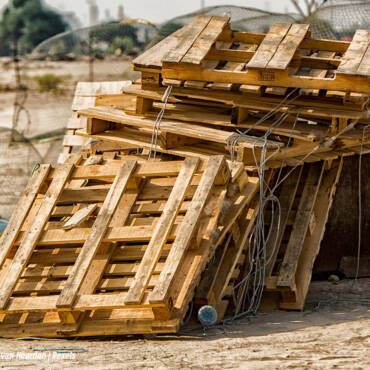
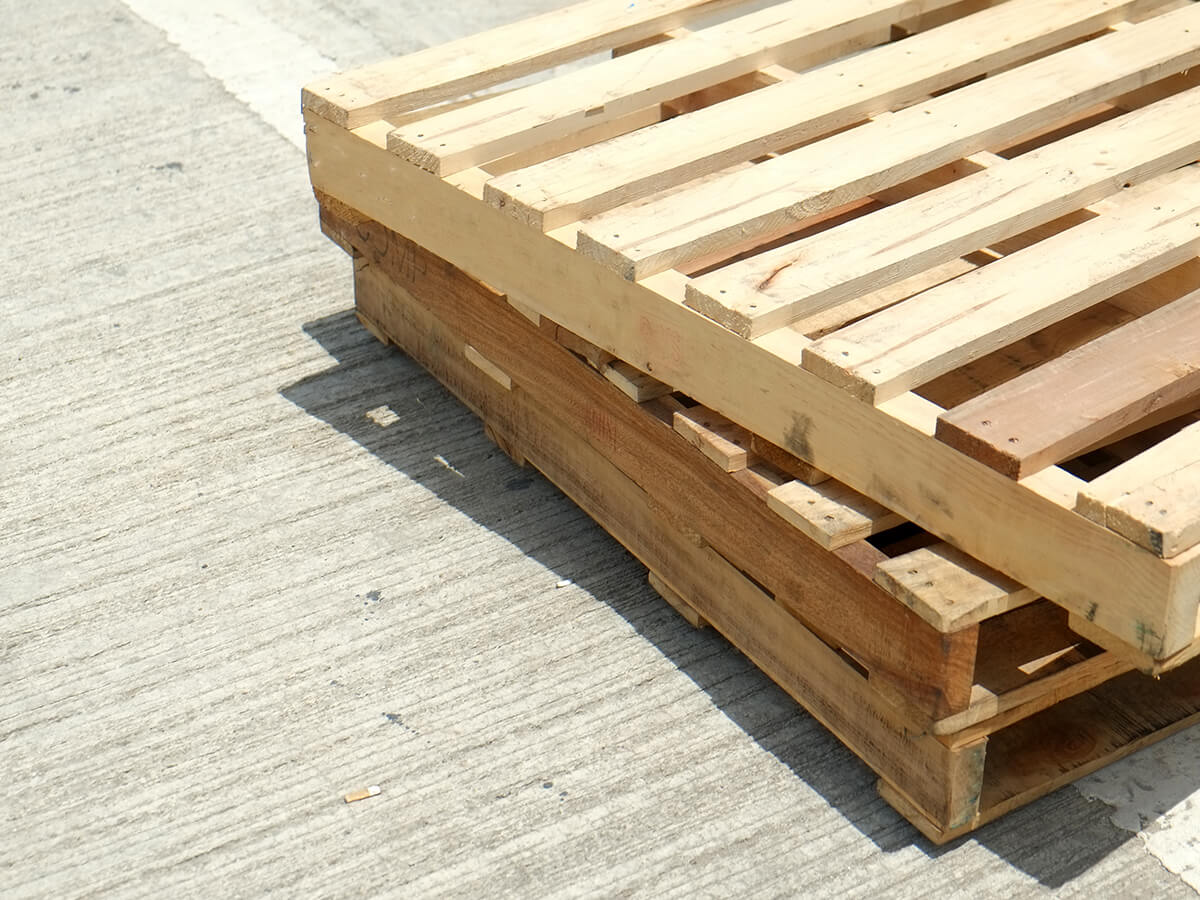
- Recycled Material Options: Opting for reconditioned or used wooden platforms can significantly reduce your initial procurement costs. These recycled units offer a budget-friendly entry point for businesses looking to avoid the high cost of brand-new lumber. They deliver reliable structural integrity for regional transport while keeping your raw material expenses low.
- Maintenance and Repair Overhead: Wooden platforms naturally experience wear, splintering, and structural damage during routine forklift operations in the warehouse. Owning your fleet means you must dedicate local labor and warehouse space to complete continuous structural repairs. If you do not maintain a strict fix-it schedule, your safety risks increase, and your product damage rates go up.
- Warehouse Storage Drag: Storing empty platforms during seasonal business downturns uses up valuable square footage under your roof. This idle inventory does not generate revenue but continues to cost money in warehouse rent and facility maintenance. Businesses must balance their physical storage footprint so that empty wood stacks do not crowd out profitable retail merchandise.
- Reverse Logistics Demands: Chasing down and retrieving your empty platforms from distant retail distribution centers requires intense operational coordination. You must pay for return freight transport and manage complex driver schedules just to bring your property back home. If your delivery destinations are spread far apart, the cost of return shipping can easily exceed the value of the wood.
Demystifying Pallet Pooling: The Renting Model
The rental model operates on a shared system in which businesses rent platforms from a central supply network rather than buying them. You pay only for the exact time the platform remains inside your active distribution pipeline.
- Baseline Issue Fees: A fixed fee is charged every single time a rental unit enters your warehouse facility to handle a new shipment. This price covers the preparation, inspection, and initial delivery of the wood directly to your loading dock doors. It creates a predictable expense that aligns perfectly with your weekly or monthly product shipping volumes.
- Daily Accumulating Rental Fees: Small incremental usage fees accumulate each day a rented platform remains within your corporate network. This fee structure means your total tracking costs depend entirely on how fast you can move products to their final destination. Efficient operations with quick turnaround times will naturally pay much less than slow-moving supply chains.
- Loss and Damage Penalties: Rental suppliers will charge high replacement fees if a platform disappears or suffers irreparable damage while under your care. These financial penalties can accumulate quickly if your warehouse staff handles the wooden structures roughly during daily operations. Your team must closely track every rented unit to prevent unexpected charges from hurting your budget.
- Zero Return Trip Hassle: The central rental network manages the entire recovery process from the final retail drop-off destination. Your logistics team does not need to worry about organizing empty return trips or paying for reverse highway freight. This system frees up your management staff to focus completely on core production goals rather than tracking lost property.
- Seasonal Supply Scalability: Rental pools allow you to scale your platform inventory up or down instantly to match changing market demands. You can order extra units during peak summer or holiday rush seasons without committing to long-term storage space. When the busy season ends, you simply return the extra platforms and stop paying the usage fees.
- International Compliance Assurance: Rental networks ensure their wood inventory meets all global shipping guidelines, including ISPM-15 rating for cross-border transport. This automatic certification saves your business from buying expensive specialty equipment or paying for independent third-party quality audits. You can confidently ship goods across borders knowing the wood meets international customs laws.
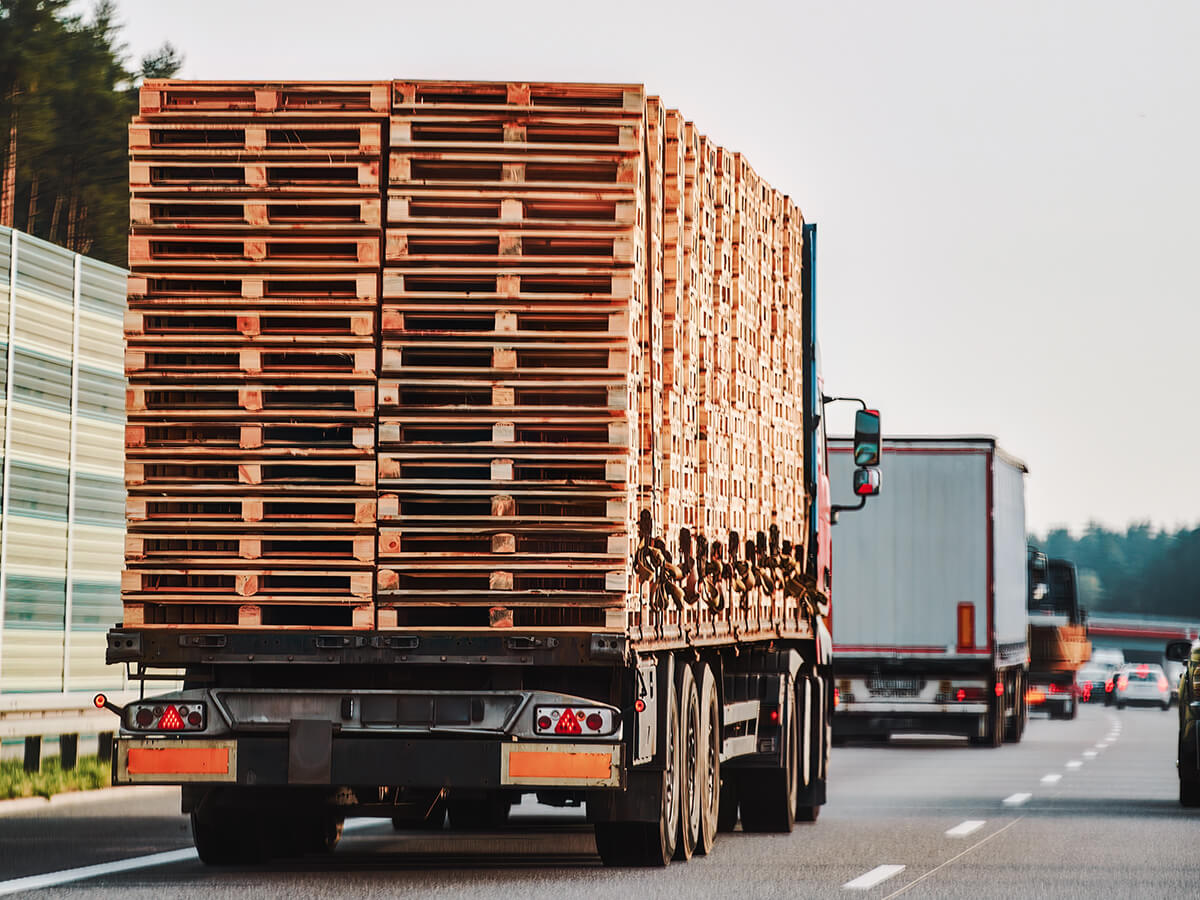 Key Variables That Determine Your True Cost
Making the right financial choice requires a close look at how your business moves freight every day. Specific operational traits will quickly tip the scale toward either purchasing or renting.
- Closed Loop Shipping Network: Moving products exclusively between your local production buildings makes purchasing platforms highly cost-effective. You never have to worry about losing your physical assets because they never leave your corporate possession. This secure loop ensures you get the most out of every wood platform purchase.
- Open Loop Distribution Trajectory: Shipping goods nationwide to diverse retail warehouses makes tracking your own physical property nearly impossible. Retailers rarely return to independent platforms, leading to massive asset loss for your business. A rental pool is much smarter here because the vendor handles the complicated pickup process at the final stop.
- Internal Material Handling Habits: Rough forklift operations and poor warehouse stacking practices will drive up your total platform replacement costs. If your staff frequently breaks wood, rental penalties might cost more than owning a private fleet. You must evaluate your team’s daily handling skills before signing a strict corporate rental agreement.
- Platform Dimension Standardization Requirements: Shared rental systems only provide standard dimensions, such as the classic forty-by-forty-eight-inch footprint. If your specific machinery or products require custom-built shapes, purchasing custom wood is your only real path forward. Custom building allows you to control the exact specifications for unique industrial cargo needs.
- Seasonal Business Volume Spikes: Operating with steady production numbers year-round makes the predictable asset cost of buying very appealing. However, if your business relies on short spikes of high activity, renting keeps your off-season overhead low. You avoid paying for wood that sits idle and covered in dust during your slowest months of the year.
- Regional Freight Transport Distances: Shipping products over short distances within the Greater Toronto Area enables quick, cost-effective asset recovery. If your delivery trucks travel only brief routes, your team can easily collect empty platforms during regular return trips. This geographic proximity minimizes transport expenses and makes private ownership highly practical for local distribution.
Decision Framework: When to Choose Which?
Every business has unique logistics goals, meaning the ideal choice depends on your daily operational habits. Looking at clear signs can help guide your procurement team to the right decision.
- Private Asset Purchase Triggers: Operating dedicated local delivery routes with matching return trips signals that buying is your cheapest choice. It also works well if you have extra warehouse floor space and cheap internal labor to handle repairs. Ownership works best when you can guarantee the wood will return to your facility safely.
- Shared Pool Rental Triggers: Sending high volumes of freight to massive commercial distribution centers can save you time and money. It is also ideal if you want to convert unpredictable capital equipment costs into smooth monthly operating expenses. Renting shines when you want to eliminate reverse logistics management from your daily chore list.
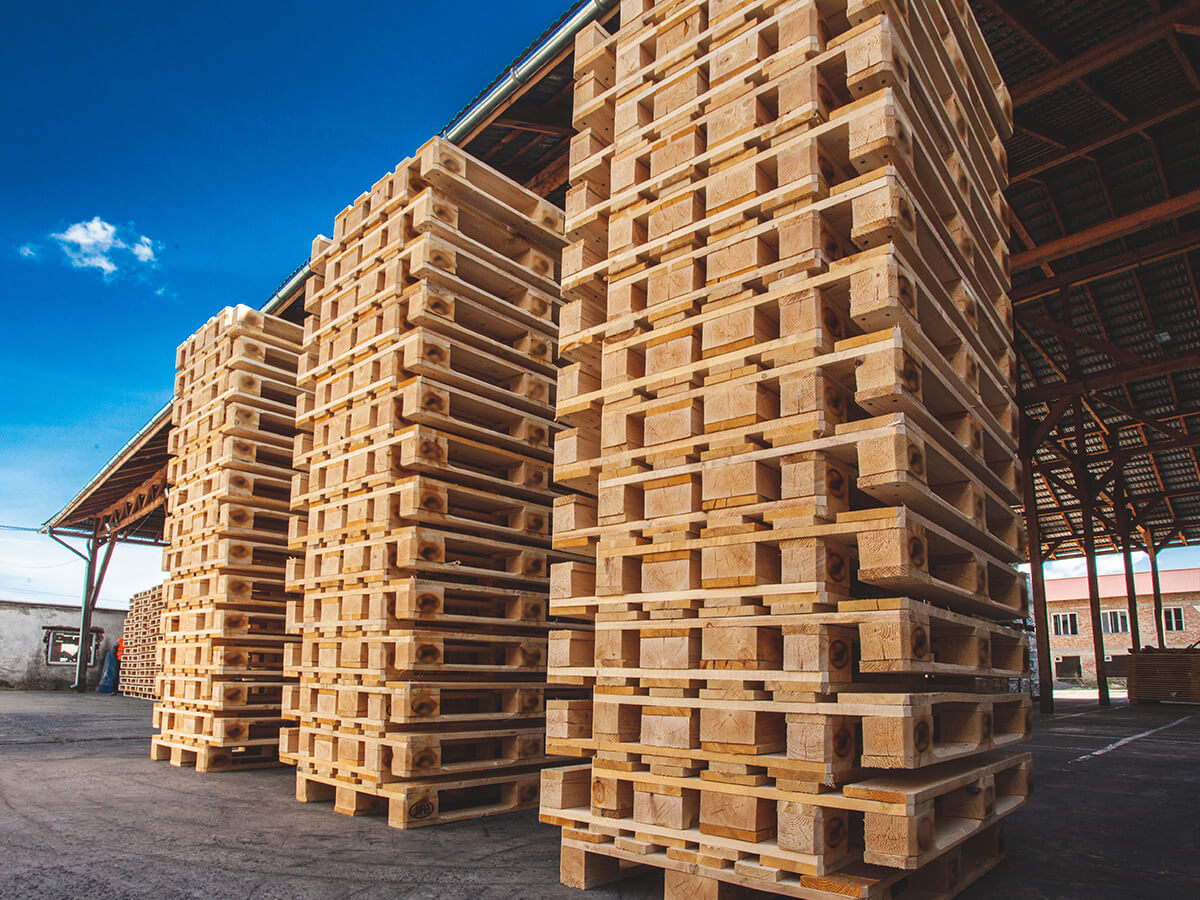 Optimize Your Supply Chain with Woodbridge Pallet
Finding the right balance between logistics efficiency and smart budgeting requires a reliable partner who understands your regional shipping pressures. At Woodbridge Pallet, we deliver top-tier management strategies and premium asset options to streamline your entire warehouse pipeline.
Whether you need custom manufacturing or cost-effective recycled platforms, we provide dependable answers to keep your cargo moving safely. Our experienced team works closely with you to analyze your trip frequencies and loss rates, so you can secure the lowest total operating cost.
Call us today at 1-800-361-7798 to secure high-quality wood pallets in Mississauga and discover how we can transform your regional distribution network.