International shipping brings goods across borders every day, and wooden packaging plays a major role in keeping shipments secure. However, untreated wood can carry pests that threaten forests, crops, and ecosystems. This is why ISPM 15 exists, and why Canadian companies using wooden pallets must follow its rules. Understanding these standards helps prevent delays, extra fees, and rejected shipments when sending products abroad.
What is ISPM 15?
ISPM 15 is an international rule created to stop insects and plant diseases from spreading through wood packaging used in cross-border trade. It applies to non-manufactured wood thicker than 6 mm, which includes items like pallets, crates, dunnage, and wooden braces. The purpose is simple: ensure pests do not travel from one country to another through untreated wood.
Countries around the world enforce ISPM 15 at their borders. Canada follows the same framework and expects all exported wood packaging to meet the required treatment standards. Engineered wood products such as plywood, OSB, and particleboard are not included because they are processed in ways that naturally destroy pests.
The standard is recognized by the Canadian Food Inspection Agency (CFIA), which works closely with international partners to maintain consistent rules. Because these rules are accepted globally, Canadian companies that follow ISPM 15 can ship with fewer complications. This makes compliance both a regulatory obligation and a practical advantage for businesses that export regularly.
ISPM 15 Compliance Requirements for Wooden Pallets
ISPM 15 compliance includes several key steps that companies must understand. Each requirement plays a role in making sure the wood is safe and pest-free before crossing borders.
- Debarking
Wood must be debarked before treatment. This reduces the chance of hidden insects staying inside the wood. While small patches of bark may remain under the standard, the wood must not contain deep pockets or areas where pests could nest.
- Approved Treatment Methods
Wooden pallets must undergo one of the following treatments:
- Heat Treatment (HT)
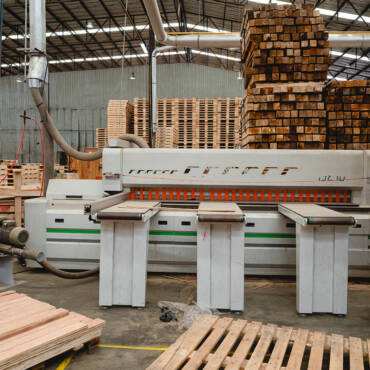
Heat treatment is the most widely used method. It requires the wood to reach a minimum core temperature of 56°C for at least 30 minutes. This process destroys insects, larvae, fungi, and other organisms. Facilities that perform heat treatment must be certified and regularly inspected. Many Canadian pallet suppliers use high-capacity kilns to maintain consistent temperatures and meet CFIA requirements.
- Methyl Bromide (MB) Fumigation
This method exposes wood to methyl bromide gas. It is still allowed under ISPM 15, but Canada and many other countries discourage it due to its environmental impact. Over time, heat treatment has become the preferred option because it’s more environmentally responsible.
- Marking Requirements
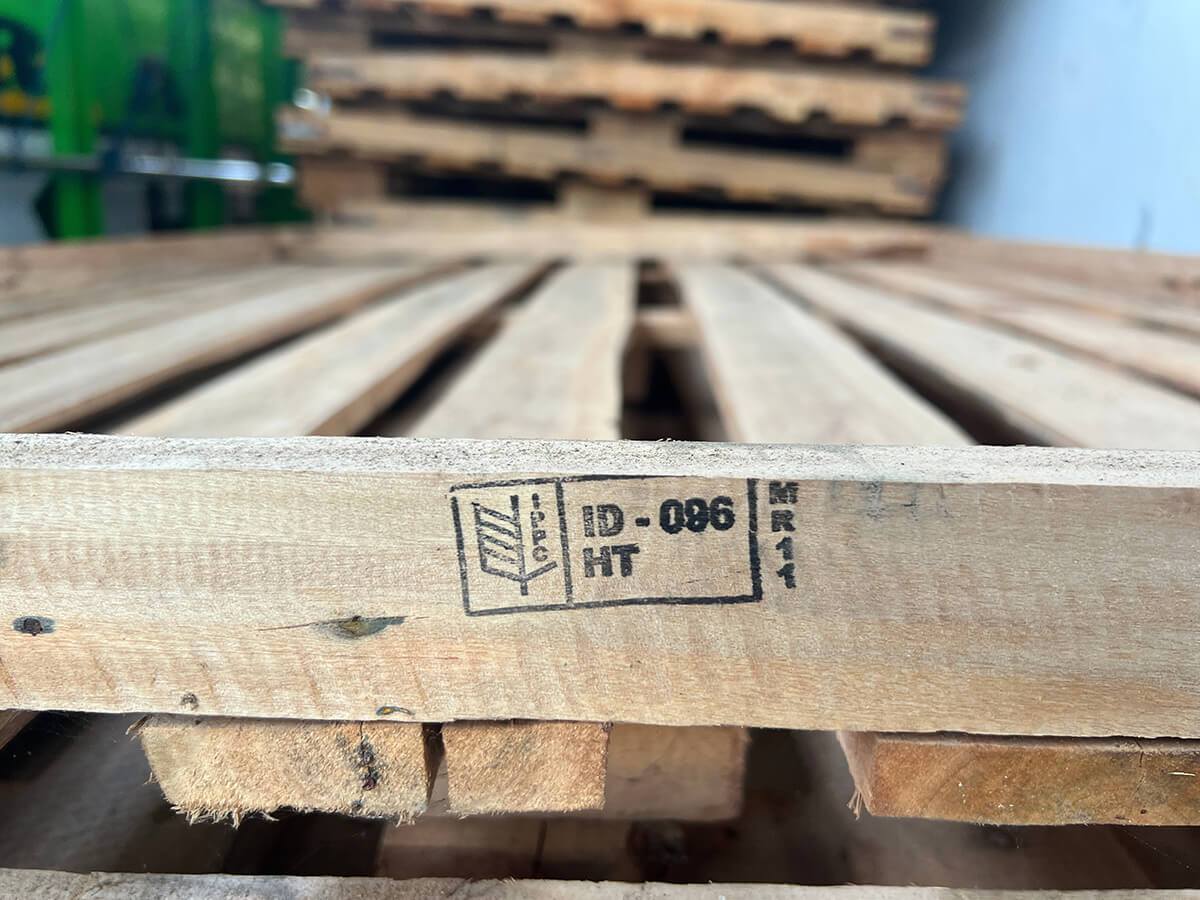
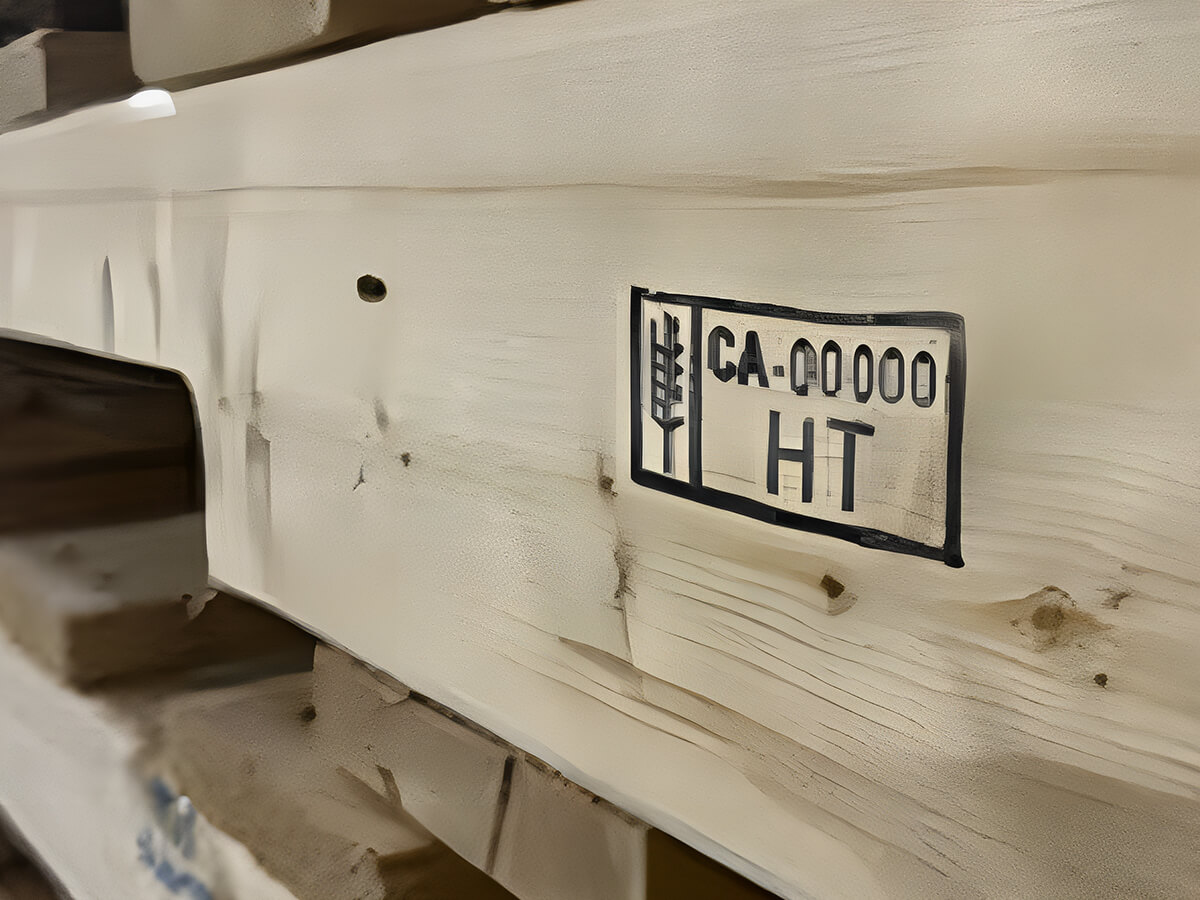
After treatment, pallets must display the ISPM 15 stamp. This mark needs to be permanent, visible, and placed in at least two locations. It includes:
- The IPPC “wheat stalk” logo
- The country code (e.g., CA)
- The producer or treatment facility number
- The treatment method code (HT or MB)
Customs officials worldwide rely on these markings to instantly verify compliance. Missing or unclear markings can cause delays even if the pallet was treated properly.
Canada’s Implementation of ISPM 15
In Canada, the CFIA oversees ISPM 15 compliance under directive D-98-08. This directive provides detailed rules for wood packaging entering or leaving the country. It explains how wood must be treated, labelled, and inspected before it can be used for international shipments. Companies that fail to comply may face costly delays at border points.
Import Requirements
All imported wood packaging materials must meet ISPM 15 rules. If inspectors discover untreated or improperly marked pallets, the shipment may be:
- Refused entry
- Ordered for immediate re-treatment
- Quarantined
- Destroyed
These actions are taken at the importer’s expense. Because of this, Canadian companies that receive goods from overseas must ensure their suppliers follow proper phytosanitary standards.
Export Requirements
Any wooden packaging leaving Canada must be ISPM 15 compliant. Exporters are responsible for making sure all pallets are properly treated and marked before shipping. Many companies work directly with CFIA-approved facilities to avoid problems later. Having clear records of treatment can also help resolve disputes if customs officials question the markings.
Canada–U.S. Exemption Status
For many years, Canada and the continental United States operated under a special exemption that allowed wood packaging to move freely without ISPM 15 treatment. This exception was convenient for businesses that traded frequently across the border. However, as of August 2024, the exemption has been removed.
Now, all wood packaging moving between Canada and the United States must comply with ISPM 15. This change aligns both countries with global phytosanitary standards and reduces the risk of pest transmission between their forested regions. Companies that operate in both countries must adjust their logistics, inventory, and supplier relationships accordingly.
It is also important to remember that the exemption never applied to Hawaii, Puerto Rico, or other U.S. territories. Those destinations always required ISPM 15-compliant materials, and the recent change means the same rule now covers all mainland shipments as well.
Consequences of Non-Compliance
Non-compliance with ISPM 15 can create major issues for any company involved in international shipping.
- Shipment Rejection
Border authorities may refuse entry to shipments containing untreated or improperly marked pallets. This can cause serious delays, especially for time-sensitive products.
- Added Costs
Holding a shipment due to non-compliance may require the importer to cover the costs of retreatment, repackaging, or disposal. These expenses can be significant and may disrupt supply chain budgets.
- Business Disruptions
Repeated issues with non-compliant pallets may lead to stricter inspections on future shipments. This can slow operations and reduce customer confidence in the company’s reliability.
- Legal or Regulatory Action
Although rare, repeated violations can draw penalties or sanctions. Companies may also lose certifications required to operate in certain industries.
Because of these risks, businesses benefit from choosing pallet suppliers who fully understand ISPM 15 and follow CFIA guidance.
Best Practices for Compliance
Canadian businesses can avoid problems by building strong processes around pallet management. While the rules may seem technical, following a few practical steps makes compliance much easier.
- Use Certified Suppliers
Work with pallet companies registered under an approved certification program. These suppliers follow strict protocols and undergo regular inspections. This ensures your pallets consistently meet ISPM 15 standards, reducing the risk of problems during export.
- Inspect Incoming and Outgoing Pallets
Regular inspections help catch issues early. Look for clear ISPM 15 markings or signs of damage or untreated wood. When staff are trained to spot red flags, it becomes easier to prevent noncompliant pallets from entering your shipping process.
- Maintain Strong Documentation
Keep clear records showing when and how pallets were treated. This includes treatment logs, supplier certificates, and purchase records. Documentation can be useful when addressing customs questions or settling disputes.
- Keep Staff Informed
Regulations can change, and workers involved in loading, warehouse management, and shipping need updated knowledge. Short training sessions or quick reference guides can help everyone stay aligned with current rules.
- Monitor International Changes
Since ISPM 15 rules are recognized globally, different countries may introduce additional inspection processes or local variations. Staying informed helps prevent unexpected problems at foreign ports and border checkpoints.
 Take Action with Woodbridge Pallet – Choose Reliable Options for ISPM 15 Compliance
If you rely on wooden pallets in Woodbridge for exporting your products, you need packaging that meets strict ISPM 15 standards without complications. Woodbridge Pallet offers new pallets treated to meet international requirements, giving you confidence that your shipments will move smoothly. We also provide recycled pallets that follow proper compliance rules, helping you lower costs while maintaining quality. Reach out today to secure durable, compliant materials that support your business and keep your goods moving without delays.