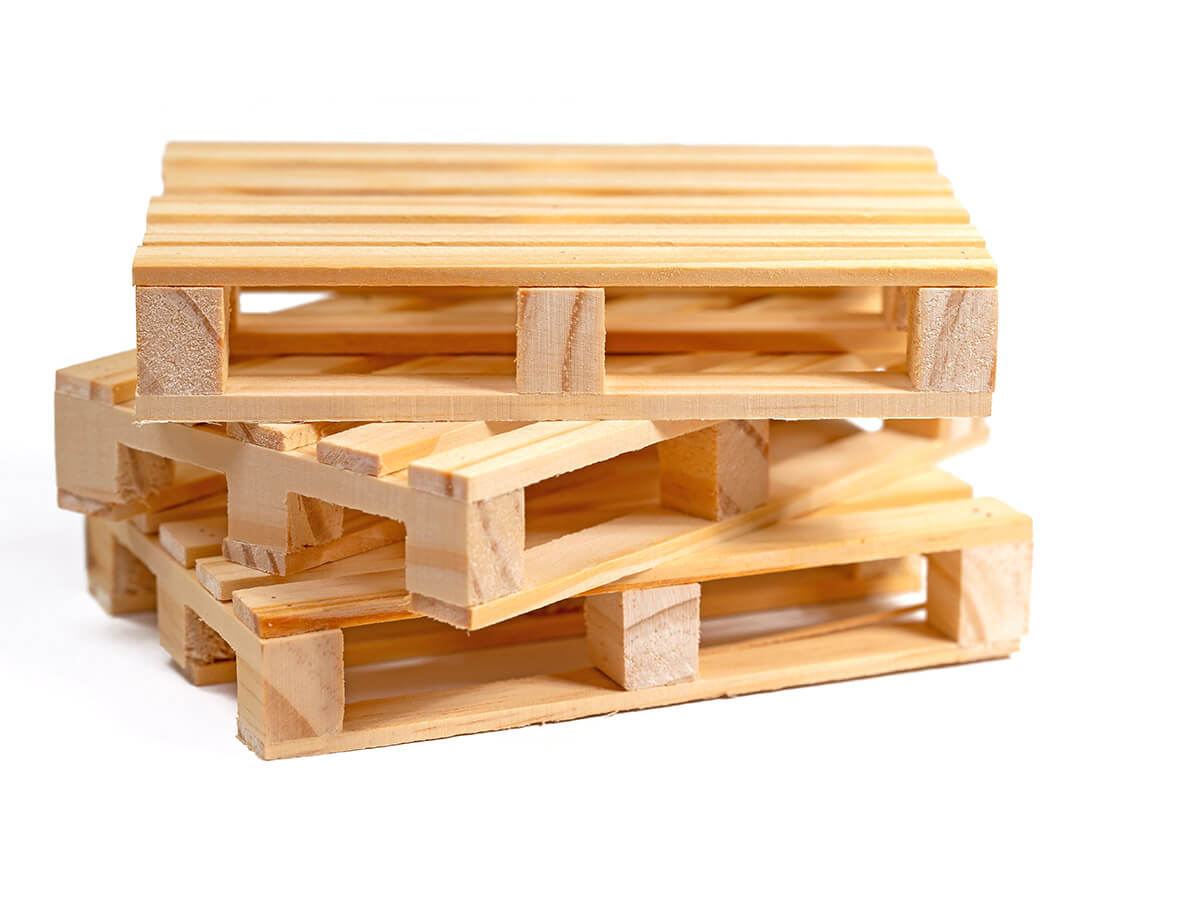
Wooden pallets play a key role in shipping, storage, and daily warehouse operations. The right pallet keeps goods stable, protects workers, and reduces unnecessary costs. Low-quality pallets often appear usable but can fail when weight is applied. Knowing how to spot strong pallets early helps avoid delays, damage, and safety issues.
Why Identifying High-Quality Wooden Pallets Matters
Not all pallets are created equal, and this difference directly affects how goods are handled. High-quality pallets keep products stable during transport and prevent shifting while in storage. Weak or damaged pallets increase the risk of injuries, broken items, and unexpected replacement costs.
Strong pallets distribute weight evenly across the surface, which reduces stress on individual boards. This balance lowers the chance of sudden breakage and workplace accidents. By spotting high-quality pallets early, businesses can keep operations running smoothly while maintaining a safer work environment.
Know the Type of Wood Used
The type of wood used in a pallet directly impacts its strength and lifespan. Some woods handle heavy loads better, while others are designed for lighter use. Understanding this difference helps you select pallets that match your workload.
Hardwood vs. Softwood Pallets
- Strength: Hardwood pallets are denser and can support heavier loads without bending. Softwood pallets are less dense and better suited for lighter goods.
- Durability: Hardwood pallets last longer and handle repeated use well. Softwood pallets wear out faster, especially under constant heavy pressure.
- Weight: Hardwood pallets are heavier, which adds stability but can increase handling effort. Softwood pallets are lighter and easier to lift or move manually.
- Best Use: Hardwood pallets work well for long-distance shipping and heavy products. Softwood pallets are ideal for short-term storage and one-way shipments.
- Cost: Hardwood pallets usually cost more due to material strength and lifespan. Softwood pallets are more affordable for temporary or lower-risk use.
Signs of Well-Processed Wood
- Smooth Surfaces: Boards feel even to the touch with no rough patches. This reduces splinter risks and makes handling safer.
- Consistent Wood Grain: The grain runs evenly across the board without sudden changes. This shows the wood was cut and processed correctly.
- Minimal Splintering: Edges are clean and intact, not chipped or frayed. Excessive splintering often points to poor drying or low-grade lumber.
- Even Board Colour: Uniform colour suggests proper drying and storage. Dark spots or uneven tones may indicate moisture problems.
- No Warping or Twisting: Boards lie flat and straight when viewed from the side. Warped wood weakens the pallet’s structure over time.
- Dry to the Touch: The wood feels dry, not damp or soft. Properly dried wood resists cracking, mould, and pest activity.
- Clean Edges and Cuts: Ends of boards are neatly cut without jagged lines. Clean cuts improve strength and overall pallet stability.
Perform a Quick Visual Inspection
A fast visual check can reveal major issues before a pallet is used. Many structural problems are visible if you know what to look for. This step saves time and prevents avoidable failures.
- Check for Cracks, Splits, and Warping
Even minor cracks can weaken a pallet. Splits and warping may affect load stability and increase the risk of breakage. Identifying these defects early prevents accidents and product damage.Avoid pallets with large cracks or severe warping. Minor surface cracks may be acceptable if they do not compromise structural integrity. Always inspect boards carefully before accepting a pallet.
- Look for Uniform Board Thickness
Uneven boards make pallets unstable and harder to handle with forklifts. Consistent thickness ensures even weight distribution and safer stacking.Measure or visually check boards for uniformity. Avoid pallets where boards are too thin or vary widely in size. Balanced boards reduce the risk of tipping or collapsing under load.
- Check for Missing or Loose Boards
Missing or loose boards reduce a pallet’s ability to carry weight safely. Gaps in the deck can cause loads to shift or fall during lifting and transport.Gently press or tap boards to see if they move. Loose boards signal weak fastening and early failure. A solid pallet should feel firm with no movement across the surface.
Examine Nails and Fasteners Closely
Fasteners hold the entire pallet together. Poor nail placement or rust can weaken the structure over time. A quick check of nails improves both safety and durability.
- Nail Placement and Spacing
The placement and spacing of nails are critical for a pallet’s strength. Evenly spaced nails hold boards securely and prevent joint failures.Poor nail patterns can lead to boards loosening or breaking under pressure. Take a moment to check if nails are consistently spaced and driven flush with the wood. Proper nail placement extends the life of the pallet.
- Watch for Protruding or Rusted Nails
Exposed nails can cause injuries or damage goods. Rusted nails indicate weak connections and reduced structural integrity.Avoid pallets with nails sticking out or showing signs of corrosion. Replacing weak fasteners later is possible, but it is safer to start with a pallet in good condition. Inspect fasteners carefully for both safety and longevity.
- Check Nail Type and Length
The type and length of nails affect how well the pallet holds together. Nails that are too short may loosen under weight, while overly long nails can split the wood.Quality pallets use nails sized correctly for the board thickness. Proper nail length improves grip and reduces joint failure over time.
- Look for Signs of Repaired or Reused Fasteners
Some recycled pallets show signs of repeated repairs using old or mismatched nails. These fasteners often lack holding power and weaken the pallet structure.Check for bent nails, overlapping nail holes, or nails driven at odd angles. Consistent, clean fastening usually indicates better build quality and longer pallet life.
Test the Pallet’s Structural Strength Quickly
Visual checks are helpful, but physical tests add another layer of certainty. Simple pressure and lift tests expose hidden weaknesses. These checks take seconds and prevent costly mistakes.
- Apply Controlled Pressure
A simple pressure test reveals how sturdy a pallet is. Press down on different areas to check for flexing or uneven movement.If boards bend or creak excessively, the pallet may not handle heavy loads. A solid pallet resists pressure and maintains its shape. This quick test helps prevent selecting a weak pallet.
- Lift and Listen Test
Lifting and gently tilting a pallet can uncover hidden weaknesses. Listen for unusual sounds like cracking or popping.Creaking indicates loose boards or weak joints. Strong pallets remain firm and stable. This test is fast and effective for on-the-spot assessment.
 Check for Proper Treatment and Stamps
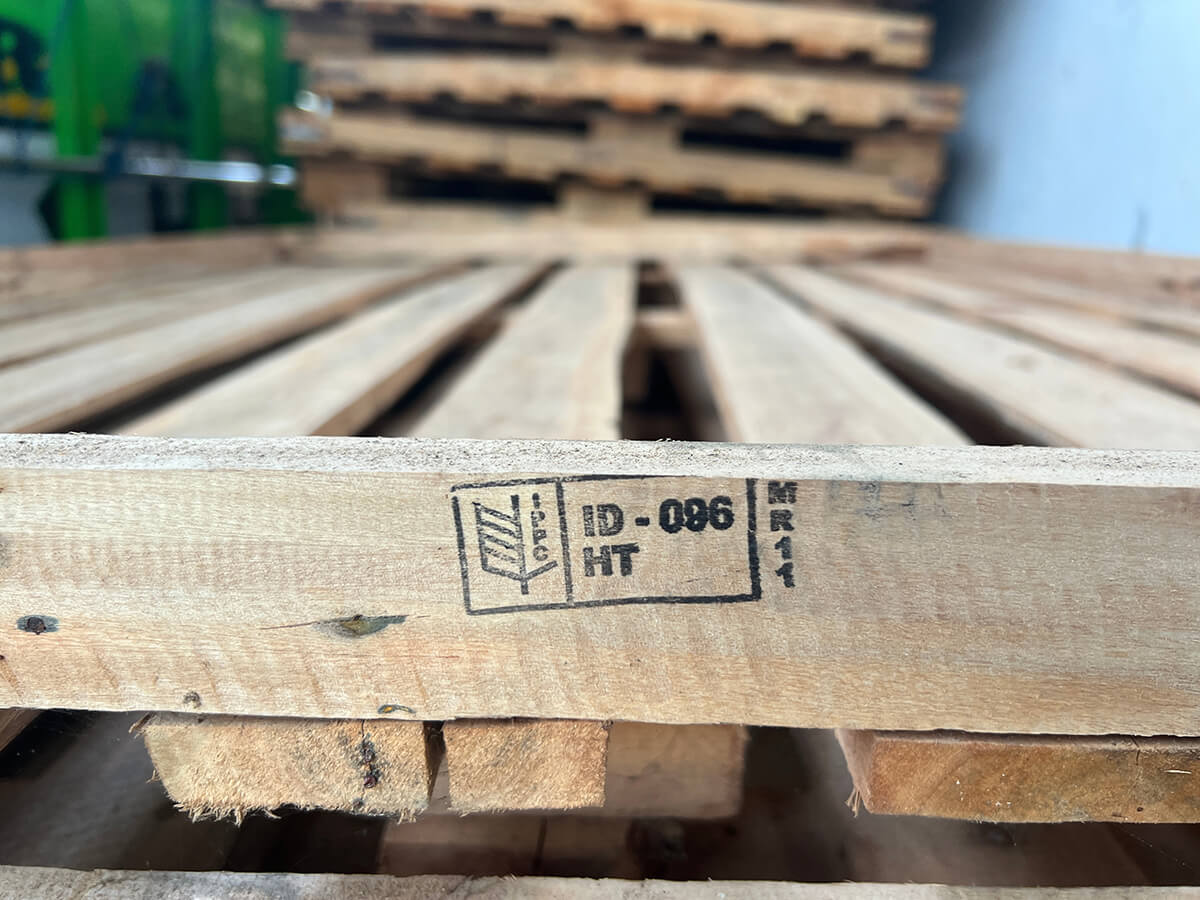
Treatment marks show whether a pallet meets safety and shipping standards. Some pallets are treated for pests, while others may contain harmful chemicals. Knowing the difference protects both products and people.
- Understanding Heat-Treated (HT) Stamps
Heat-treated pallets are safer for shipping and storage. HT stamps show the wood has been heated to remove pests and reduce moisture. These pallets meet international shipping standards. Using untreated or improperly treated pallets can lead to infestations or mould problems. Always check for HT markings before purchase.
- Avoid Chemically Treated Pallets
Chemically treated pallets may be harmful, especially for food or indoor storage. Some treatments use toxic substances that can contaminate goods.Look for pallets marked as safe or free from harmful chemicals. Avoid pallets with unknown or unclear treatments. Ensuring safe treatment protects both products and people.
Smell and Moisture Check
Moisture and odour often point to problems that are not visible at first glance. Damp pallets are more likely to develop mould, warp under weight, or weaken due to rot over time. Strong or unusual smells can also signal chemical exposure, contamination, or poor storage conditions.
Take a moment to sniff the pallet and feel the wood with your hand. Excess moisture may feel cool, soft, or slightly spongy, which suggests internal damage. Pallets that are dry and neutral-smelling are safer to handle and tend to last much longer in active use.
When to Repair vs. Replace a Wooden Pallet
Not every damaged pallet needs to be discarded right away. Some issues can be fixed safely with minimal effort, while others pose risks if ignored. Knowing the difference helps maintain safety and control costs.
Repair the Pallet When:
- Cracks are Small and Limited to Surface Boards: Minor cracks that do not affect load support can often be fixed. Reinforcing or replacing the affected board restores strength.
- Nails are Loose but the Wood is Still Solid: Loose nails can be reset or replaced without weakening the pallet. This is a common and safe repair when done correctly.
- Single Boards are Damaged but the Frame is Intact: Replacing one or two boards is often cost-effective. The pallet remains usable once balance and stability are restored.
Replace the Pallet When:
- Severely Warped or Twisted: Warping affects load balance and forklift handling. These pallets are unsafe even after repairs.
- Signs of Rot, Mould, or Softness: Rotted wood cannot support weight reliably. Moisture damage spreads and worsens over time.
- Chemical Contamination or Unsafe Treatment: Chemically unsafe pallets should not be reused. Replacement protects both products and workers.
- Structural Damage on Multiple Boards or Joints: Extensive damage weakens the entire pallet. Repair costs often outweigh the value of replacement.
 Get Reliable Wooden Pallets in Woodbridge with Woodbridge Pallet
Looking for high-quality wooden pallets in Woodbridge? Woodbridge Pallet provides both new pallets and recycled pallets to fit your storage and shipping needs. Our pallets are carefully inspected, treated, and built to handle your load safely. Call now at 1-800-361-7798 to schedule your order, and visit us to see our wide selection of durable pallets ready for immediate use.